Getting proper care for your pet can be a challenge during the winter season, and knowing how the cold weather affects your dog is important to understand as a pet owner.
We make sure our dogs are spoilt at home, they have a comfortable designer dog bed, a box full of toys and the best food possible. So when they the house in the winter you need to keep them protected from the elements and safe and warm too.
Aside from keeping them warm, it’s also important to monitor their health and prevent them from developing issues related to the cold.
Most will still want to go for their daily dog walks in the cold, so there is no reason to avoid them. Missing their walks can negatively affect their mental health and this can also lead to displaying behavioural issues. You can make their walks shorter than normal but more frequent if this fits with your lifestyle but certainly, still ensure they get the exercise they are used to. Making sure you keep your dog as warm as possible on the walk is important. Try putting a raincoat on your dog to keep the cold off their fur before you leave the house.
How Cold Weather Affects Your Dog

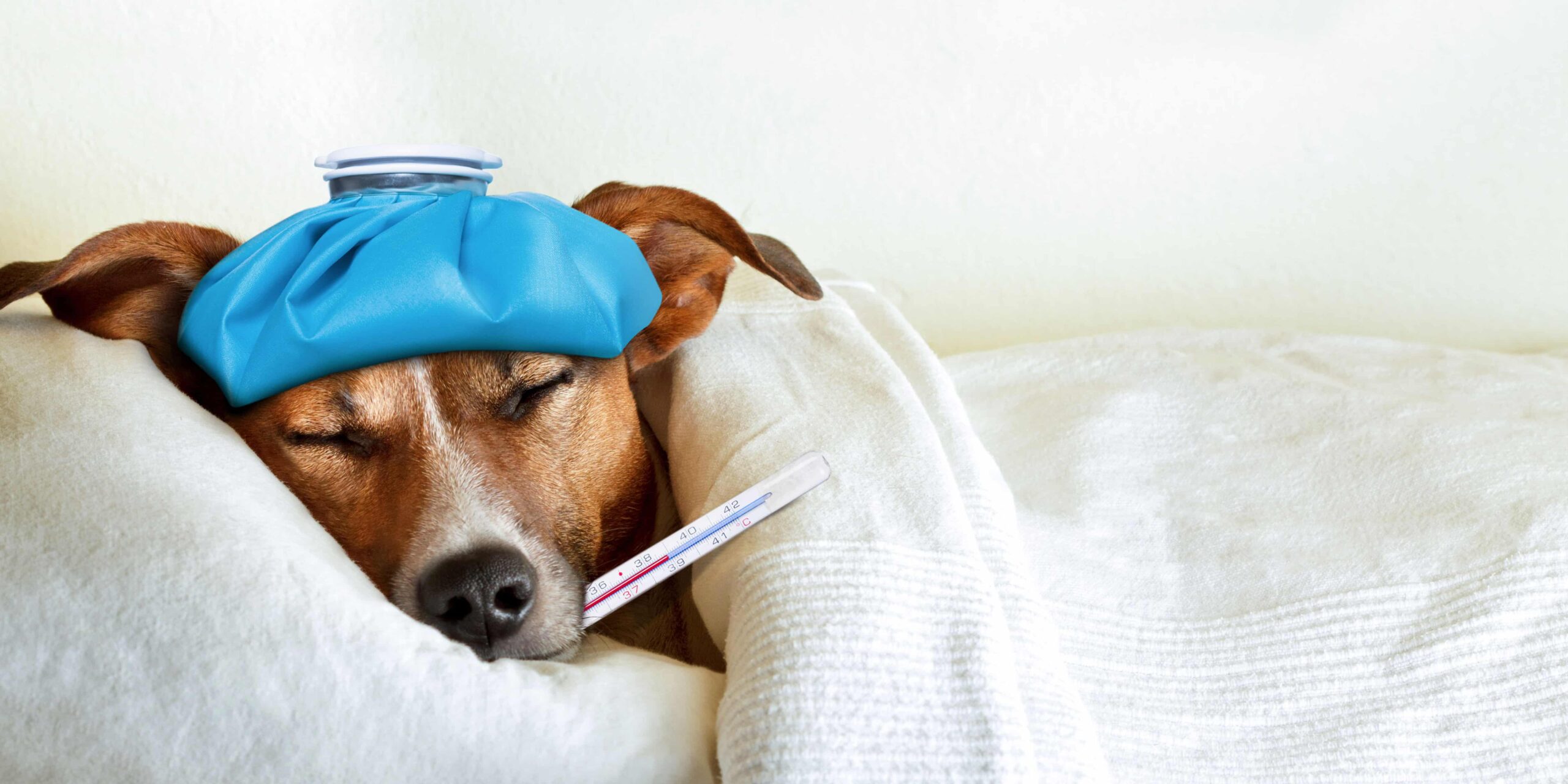
Can my dog catch a cold?
Although the common cold is a natural part of life for humans, it can also affect your pet if you cough and sneeze in the same way. Unfortunately, the virus that can affect humans is species-specific, and it can only be transmitted to humans.
When the temperature drops below 7 degrees Celsius, most dogs become more vulnerable to the cold, which has the same symptoms. Many of them will spend most of their time indoors as they love being warm and cosy.
What are the symptoms of a cold in dogs?
Although it can be uncomfortable for dogs, respiratory infection usually doesn’t require hospitalisation. They can recover in a week if they’re kept warm and hydrated.
Some of the common cold symptoms that can affect dogs include coughing and a runny nose. However, other conditions such as distemper and canine parainfluenza virus can also cause issues that can affect their health. If your pet has a vigorous hacking cough, it could be an indication of kennel cough, which can cause issues for older dogs and puppies with existing medical conditions.
How to tell if your dog has hypothermia?
Dogs can get hypothermia. Hypothermia is a condition that occurs when the body temperature of a dog drops to extremely low levels. It usually happens after being exposed to cold weather or wet fur for too long a period of time.
There are a number of tell-tale signs to look out for. Excessive shivering can be the first indicator of hypothermia in dogs along with low energy levels. Paired with loss of coordination and pale lips and gums you should treat it as an emergency and act accordingly.
To prevent hypothermia, make sure that your pet has somewhere warm to go during cold weather. Also, keep them dry on walks as rivers and lakes can freeze. Short-haired dogs may benefit from wearing a dog coat to keep them warm when out in the cold.
How to tell if your dog has frostbite?
Sometimes, frostbite can also occur as a result of the cold. It can affect the animals’ extremities, such as their ears, toes, and tail. Although it’s not life-threatening, hypothermia can lead to death.
The affected frostbite area may look pale and have a blue-white discolouration due to the lack of blood flow. To prevent it from developing further, apply warm towels to the affected part. Do not use a radiator or hairdryer to warm them up as this can cause severe burns. You need to use tepid water to slowly warm up the affected areas. If you are unsure always consult your vet.
How do I know if my dog has been poisoned by anti-freeze?
Although it is usually fatal, your pet’s chances of survival are much improved if they get veterinary care for their condition as soon as possible.
The tell-tale signs of antifreeze poisoning are unsteadiness while standing and loss of appetite. This will then extend further if left untreated to vomiting and diarrhoea as well as potentially fatal seizures. If left untreated, this condition could also lead to kidney failure. Pets with these conditions should immediately be taken to the veterinarian as time is of the essence.
It is really important to keep antifreeze containers tightly closed and ensure that spills and leaks are contained.
Does my dog get dry skin?
If you turn on the heating during cold weather, it can affect your dog’s skin. The lack of essential oils can leave it flaky and sensitive, and the air can also leave it dehydrated.
To keep their coat shiny and healthy, brushing them daily is essential. Doing so will help remove dead skin cells and stimulate the natural oils in their body.
You can also try reducing their bath time to prevent them from drying out. If they have to bathe or shower, make sure to use warm water and add moisture to their body with a humidifier where possible. It’s also really important to dry your dog’s fur to ensure they don’t get cold.
It is really important to take close attention to any changes in your dog’s behaviour when they are out in the cold. If you are concerned or worried about how the cold weather affects my dog then.
You can pin this image to refer to this post again later 
Leave a Reply