Mobile credit card payment processing is one way for companies to remain competitive and provide the customer with a very convenient and fast way to pay for goods.
Mobile payment processing companies have repeatedly told us that more and more customers are opting for mobile payments when choosing a payment method.
This is not an attempt to raise their own profile, but a reality. The eCommerce statistics are mind blowing when you take a look into mobiles and mobile data.
The number of cell phone users is growing exponentially. Today more than 3 billion people actively use them not only to play games or search for information on the Internet, but also to pay for purchases.
According to the latest data mobile payments are used by more than 30% of Internet users.
If there is a demand on the market, there will definitely be a supply. Drawing attention to the popularity of mobile payments, the most famous manufacturers of cell phones began to create payment applications.
What is the attraction of mobile payments and how does mobile payment processing benefit the customer?
We’ll answer these and other questions right now.
Mobile Payment Processing
What are mobile payments?
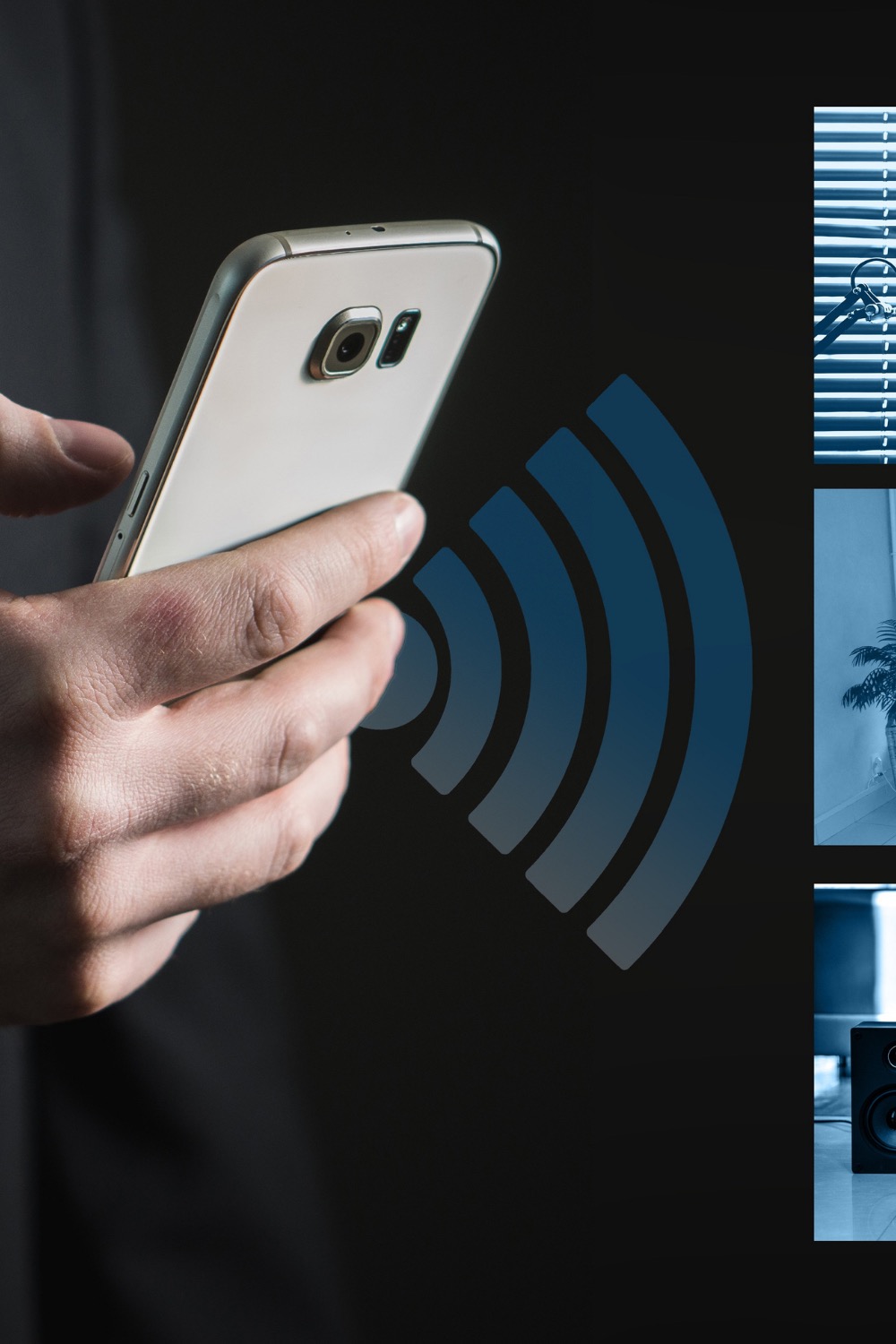
The simplest definition of mobile payments is “payments for goods and services made using mobile devices.” It doesn’t have to be your smartphone. Payments made using tablets and other popular mobile devices also fall under the category of mobile payments.
In this case, mobile devices can be used for both point-of-sale purchases and online purchases. In addition, they include peer-to-peer payments, in which the sender uses a digital wallet and a special application to send funds to the recipient.
Such payments are made by technology NFC, which allows to exchange information on the transaction. Simply bringing one device for example a tablet or smartphone to the POS terminal.
To use mobile payments, a customer just needs to install a mobile wallet on his or her smartphone.
This is a special offer with credit or debit card information. Using these applications is very secure and in order to access it, the user needs to be identified by face or fingerprint.
What about the security of mobile payments?
The question of security will always be one of the most important at the moment when it comes to any payments. Unfortunately, scammers are finding more and more ways to fraudulently obtain data and money from customers in their mobile wallets. However, the implementation of their plans in the case of mobile payments is quite difficult for fraudsters, and all thanks to the fact that credit card tokenisation is used to significantly reduce the risk of information theft.
Each time a payment made with a mobile device, a one-time unique card number is used. It is this number that sent to the system, and a new number is created for the next transaction. Thus, the sellers transmit no confidential information, and thus fraudsters have almost no chance to intercept it and use it for their own selfish purposes.
In addition, the fact that no information about the transaction is stored on the mobile device makes a positive contribution to improving security. Also, the user has to undergo biometric data verification to successfully complete the transaction.
Mobile payments offer benefits for shoppers and businesses
In order to accept mobile payments, your company will not need to invest in a new pos-system and expensive equipment. All you have to do to realise this idea is to buy an NFC-enabled terminal.
As soon as you are able to accept mobile payments from clients, you can stimulate them to purchase goods in your company with the help of special loyalty programs, provide analytics of consumer preferences and really fast processing of all payments. In addition, these payments involve a transaction fee, which is much lower than when processing credit card transactions. And, of course, the high level of security and convenience become additional factors in choosing mobile payments as a payment method.
*The Complete Guide to Mobile Payment Processing is a collaborative post

Leave a Reply