Ensuring a quality television viewing experience often starts with selecting the right TV aerial. Whether you’re looking to secure seamless reception for your favourite programmes or planning a new installation in your home, understanding the multifaceted aspects of TV aerials is crucial. This comprehensive guide will walk you through all the important considerations to help you make an informed decision.
Understanding the Types of TV Aerials
Indoor Aerials
Indoor aerials are compact devices designed to sit within your home, near the television set. They are an attractive option for city dwellers due to their ease of installation and absence of complex wiring. These aerials tend to be sensitive to obstructions, such as walls and furniture, which can affect signal strength. Hence, their performance can vary greatly depending on the layout of your home and proximity to broadcasting towers.
Outdoor Aerials
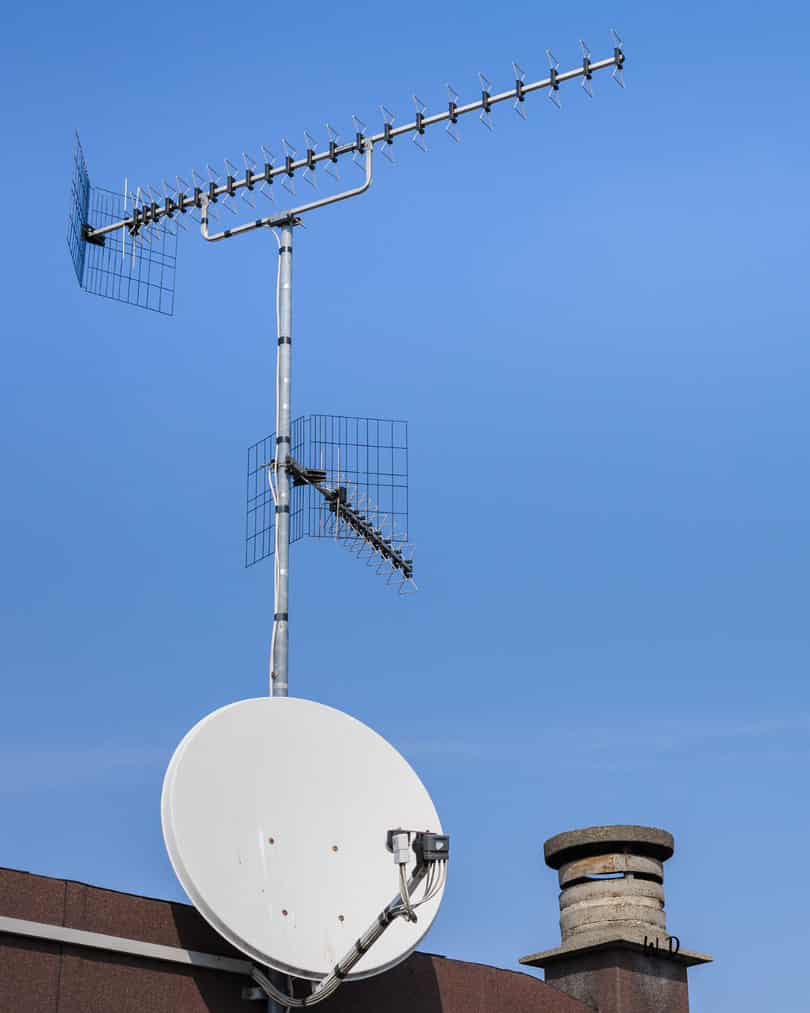
Outdoor aerials are installed on the exterior of your house, often on the roof or a high pole, to capture signals directly from broadcast towers. They generally provide better reception than indoor aerials, especially in locations further from broadcasting sources. The positioning of an outdoor aerial is crucial to its performance, requiring a clear line of sight free from obstructions such as tall buildings or trees.
Loft Aerials
Loft aerials offer a middle ground between indoor and outdoor options. Installed in the loft space of a house, they offer improved protection from the elements compared to outdoor aerials while still providing a reasonable signal performance. However, loft materials and roofing can sometimes impede signal quality, making them a less favourable option in areas with weak reception.
Factors Affecting TV Aerial Performance
Signal Strength and Quality
Signal strength represents the power of the broadcast signal, while signal quality refers to how clear that signal is when received. Both factors are influenced by distance from the broadcast tower, physical obstructions, and interference from other electronic devices. Analysing these factors will help determine the most appropriate type of aerial and its placement.
Geographic Location
The effectiveness of your TV aerial heavily depends on your geographic location. Urban areas typically have numerous broadcasting towers, providing strong signals that can often be adequately captured by indoor or loft aerials. Conversely, rural areas, with fewer broadcasting towers and more natural obstructions, often necessitate outdoor aerials to ensure a reliable signal.
Frequency Bands
TV broadcasts operate on different frequency bands, primarily VHF (Very High Frequency) and UHF (Ultra High Frequency). Most modern broadcasts use UHF, but some regions still use VHF. It’s essential to choose an aerial compatible with the specific frequency band in use in your area. Multi-band aerials can receive both VHF and UHF signals, offering greater flexibility.
Weather Conditions
Weather can significantly impact signal reception. High winds, rain, and snow can all degrade the quality of the signal received by your aerial. Outdoor aerials, while generally more robust, are directly exposed to these elements and must be installed securely to withstand adverse weather conditions. Loft aerials, protected from the weather, can offer a more stable performance in this regard.
Installation Considerations
Professional vs. DIY Installation
Choosing between professional and DIY installation can significantly impact the effectiveness and longevity of your aerial setup. Professional installers bring expertise and specialised equipment to ensure optimal aerial positioning and connection. Although a DIY approach might save costs upfront, it may not offer the same quality of signal reception or assurance of long-term performance.
Positioning the Aerial
The positioning of your aerial, especially an outdoor one, is crucial. Ideally, it should be as high as possible with a clear line of sight to the broadcasting tower. When installing in the loft, consider the materials and structure of your roof, as these can impede signal quality. Moving the aerial slightly may result in significant improvements in reception.
Cabling and Connectors
High-quality cabling and connectors are essential to maintain the integrity of the signal received by your aerial. Cheap or low-quality cables can introduce signal loss, resulting in poor picture quality. Ensuring solid, weatherproof connections for outdoor installations can prevent signal degradation caused by exposure to the elements.
Maintenance and Troubleshooting
Regular Maintenance
Regular maintenance is vital to ensure consistent performance from your TV aerial. For outdoor aerials, this includes periodic inspections to check for damage or wear and tear from the weather. Indoor and loft aerials require less maintenance but should still be checked occasionally to ensure they haven’t been moved or obstructed.
Common Issues and Fixes
Signal issues can arise from various factors, including poor positioning, faulty cables, or interference from other electronic devices. Common fixes include reorienting the aerial, replacing old or damaged cables, and removing any potential sources of interference nearby. Investing in a signal booster can also help in areas with weak reception.
Upgrading Your Aerial
As broadcast technologies advance, it may become necessary to upgrade your TV aerial to one that offers better performance or compatibility with new digital standards. Keeping abreast of developments in broadcasting technology will help you decide when an upgrade is warranted and ensure you maintain the highest quality reception.
Legal and Safety Considerations
Planning Permissions
In the UK, planning regulations for aerial installations are generally straightforward. However, if you live in a listed building or conservation area, there may be additional restrictions. It’s advisable to check with your local council to ensure compliance with any specific requirements or obtain necessary permissions.
Safety Precautions
Safety should always be a priority when installing or maintaining a TV aerial, especially on the roof. Using appropriate safety gear, such as harnesses and helmets, is essential, and working with a partner can provide additional security. Professional installers are well-versed in these safety practices, which is another reason to consider their services over a DIY approach.
Choosing the Right Professional Installer
Qualifications and Experience
When hiring a professional aerial installer, ensure they have the relevant qualifications and experience. Membership in industry bodies, such as the Confederation of Aerial Industries (CAI), can indicate a high level of professionalism and adherence to industry standards. Experienced installers are more likely to provide reliable service and troubleshoot any issues that may arise.
Customer Reviews and Recommendations
Customer reviews and recommendations offer valuable insights into the quality of service provided by an aerial installer. Checking online reviews and asking neighbours or friends for recommendations can help you identify reliable professionals in your area. Look for installers with a proven track record of customer satisfaction and efficient service.
Cost and Value
Cost is an important consideration, but it should not be the sole determining factor. The cheapest option may not always provide the best value, especially if it results in poor installation quality and subsequent issues. Consider the long-term benefits of a professional installation and weigh this against the cost to ensure you make a well-informed decision.
Conclusion
Choosing the right TV aerial for your home involves careful consideration of various factors, from the type of aerial to installation methods and ongoing maintenance. By understanding the different options and their respective advantages and disadvantages, you can make a well-informed decision that ensures high-quality signal reception and a superior television viewing experience. Engaging a professional installer can further enhance the effectiveness and longevity of your aerial system, providing peace of mind and reliable performance.
Leave a Reply