It is time to shine a light on the importance of quality sleep and its impact on our health and well-being. While we often discuss the benefits of getting enough rest, there’s another side to the sleep equation that deserves attention, the dangers of driving while drowsy and falling asleep at the wheel.
Every year, countless accidents occur due to drivers falling asleep at the wheel. It’s a silent danger that lurks on our roads, often overlooked until tragedy strikes. It’s crucial to recognise the significance of this issue and take steps to prevent it. Sleep Awareness Week happens every year and it is a great time to consider the dangers of driving while tired.
Falling Asleep at the Wheel
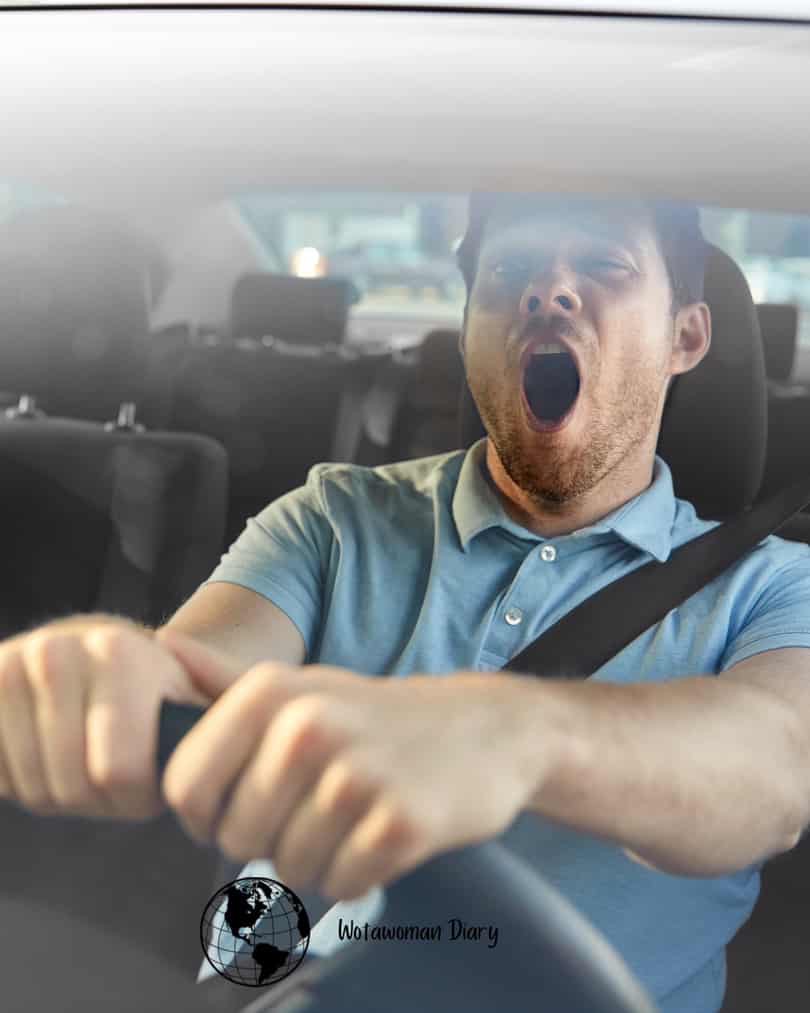
The Reality of Drowsy Driving
You’re driving down a familiar stretch of road, the hum of the engine lulling you into a sense of security. Suddenly, your eyelids grow heavy, and before you know it, you’re struggling to stay awake. It’s a scenario that many of us have experienced at one point or another, and yet, the consequences can be dire.
According to the National Highway Traffic Safety Administration (NHTSA), drowsy driving is responsible for thousands of accidents each year. These incidents often result in severe injuries or fatalities, leaving families shattered and communities reeling.
Understanding the Risks of Driving Tired
Driving while fatigued isn’t just a matter of feeling a bit drowsy. It can have serious implications for road safety. When we’re sleep-deprived, our cognitive functions become compromised. This makes it harder to focus and react appropriately while driving. This impairment can be as dangerous as driving under the influence of alcohol or drugs.
Research conducted by the AAA Foundation for Traffic Safety found that drivers who sleep less than five hours a night are four to five times more likely to be involved in a crash compared to those who get seven hours or more. The statistics paint a sobering picture, drowsy driving is not just a minor inconvenience but a significant public health concern.
One of the primary effects of sleep deprivation on driving is decreased alertness. When we’re tired, our brains struggle to maintain the level of attention required for safe driving. This means we’re less likely to notice potential hazards on the road.
Fatigue impairs our judgment and decision-making skills. We may take unnecessary risks or fail to react appropriately in emergency situations, putting ourselves and others in harm’s way.
Another critical aspect of drowsy driving is its impact on reaction times. Sleep deprivation slows down our reflexes, making it harder to respond quickly to changing traffic conditions or unexpected events. A split-second delay in braking or swerving to avoid a collision can mean the difference between a near miss and a tragic accident.
Driving while fatigued can lead to microsleep episodes. This is where the brain briefly shuts down while we’re still awake. During these episodes, which typically last for a few seconds, we’re essentially driving on autopilot, unaware of our surroundings. In that brief moment of unconsciousness, the potential for disaster is immense, especially if we’re travelling at high speeds on the highway.
Preventing Drowsy Driving
The good news is that drowsy driving is entirely preventable. By prioritising sleep and practising healthy sleep habits, we can reduce the likelihood of experiencing fatigue behind the wheel.
Here are some tips to help you stay alert and focused while driving:
- Get an Adequate Amount of Sleep: Aim for 7-9 hours of quality sleep each night to ensure you’re well-rested and alert during the day.
- Take Breaks During Long Drives: If you’re embarking on a road trip or driving for an extended period, schedule regular breaks to rest and recharge.
- Avoid Driving at Night: Nighttime driving increases the risk of drowsy driving due to our natural circadian rhythms. Whenever possible, try to avoid driving during late hours.
- Watch for Warning Signs: Be mindful of signs of drowsiness, such as yawning, heavy eyelids, or drifting out of your lane. If you experience these symptoms, pull over in a safe location and take a short nap or switch drivers if possible.
- Limit the Use of Electronic Devices: Electronic devices can be a major distraction while driving, further exacerbating feelings of fatigue. Minimize their use and focus on the road ahead.

Dangers Of Driving Drowsy
The dangers of drowsy driving, often overshadowed by other prominent road hazards, demand our collective awareness and action.
Sleep deprivation impairs our cognitive abilities, diminishes our alertness, and slows our reaction times, rendering us vulnerable behind the wheel.
Preventing drowsy driving is entirely within our grasp, and it begins with prioritising sleep and adopting responsible driving practices.
As we navigate our daily lives, let’s not overlook the critical intersection of sleep and road safety. Let’s pledge to be vigilant against the dangers of drowsy driving.
Together, we can create a culture of sleep-conscious driving, where the value of rest is upheld, and the lives of drivers and pedestrians alike are safeguarded. After all, a well-rested driver isn’t just safer for themselves but for everyone sharing the road.
So, let’s commit to making sleep a priority, both behind the wheel and beyond, for a brighter, safer future on our highways and byways.
Leave a Reply