As a dog mum, I understand the crucial role dental care plays in ensuring our canine companions lead happy, healthy lives. Just like humans, dogs require regular dental maintenance to prevent oral issues. Tooth pain can lead to discomfort, pain, and even more severe health problems. It’s important to keep on top of your dogs dental health to prevent further problems.
I’ll explain more about the importance of dental care for dogs and effective cleaning techniques. Hopefully, I will give you all the help you need to become a pro at keeping your pup’s pearly whites sparkling.
Guide to Dogs Dental Health
Many pet owners underestimate the significance of proper dental care for their dogs. However, neglecting your pup’s oral hygiene can result in a host of issues, including gum disease, tooth decay, and bad breath. Moreover, oral health problems can have broader implications for your dog’s overall well-being. Poor oral health in dogs could potentially lead to heart, kidney, and liver issues if left untreated.
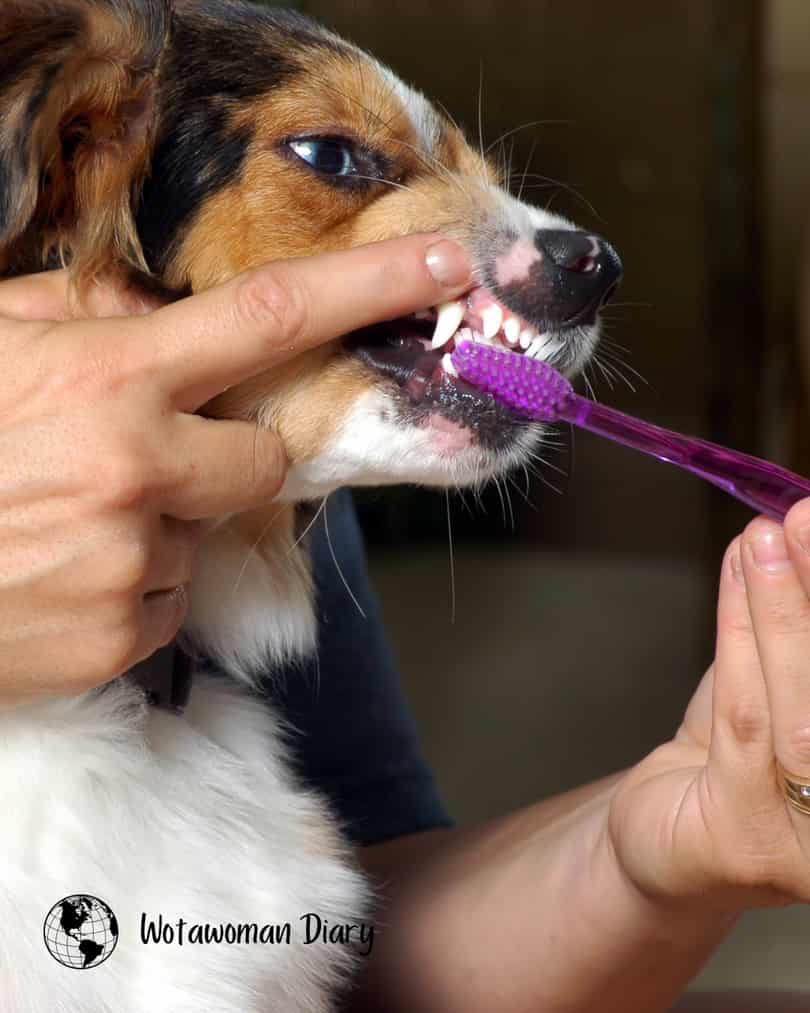
Dog Teeth Brushing Techniques
Regular brushing is the cornerstone of maintaining your dog’s dental health.
Here’s a step-by-step guide to brushing your pup’s teeth effectively:
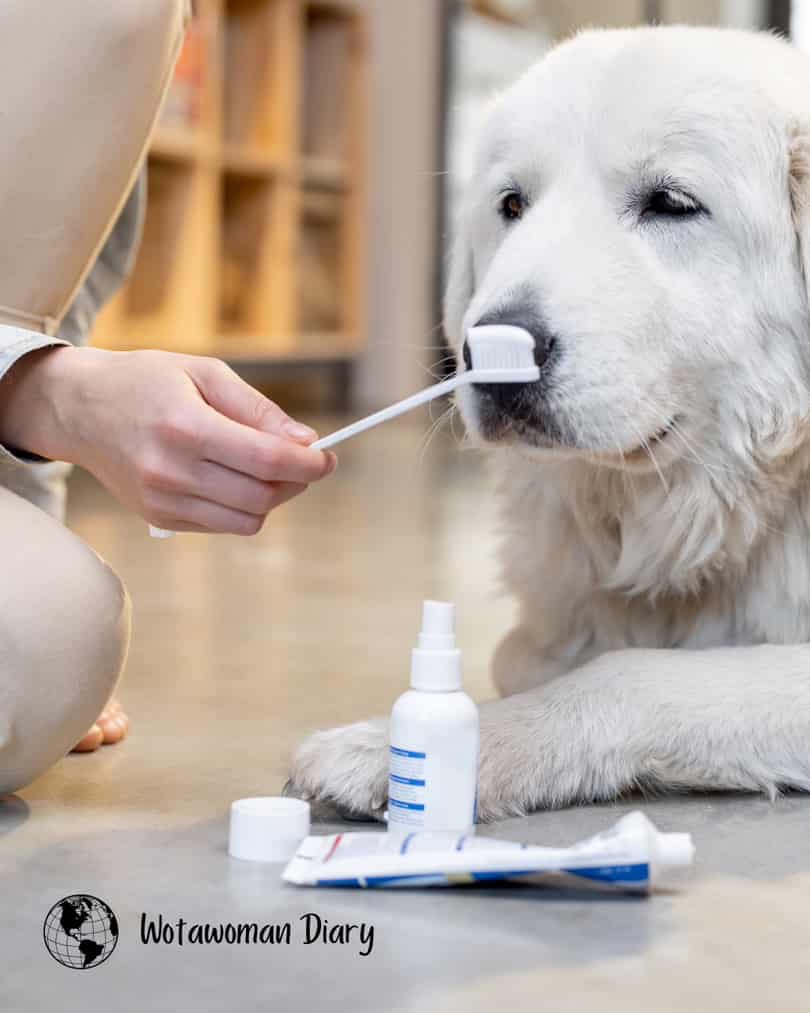
Choose the Right Tools: Invest in a soft-bristled toothbrush or a finger brush specifically designed for dogs. Additionally, opt for toothpaste formulated for dogs, as human toothpaste can be harmful if ingested.
Introduce Your Dog Gradually: If your dog is new to teeth brushing, introduce the process gradually to avoid overwhelming them. Start by letting them sniff and lick the toothpaste to get accustomed to the taste.
Make it a Positive Experience: Associate teeth brushing with positive experiences by offering treats and praise before, during, and after each session.
Brush Gently: Use gentle, circular motions to brush your dog’s teeth, paying special attention to the gum line where plaque and tartar tend to accumulate.
Be Consistent: Aim to brush your dog’s teeth at least 2-3 times per week to maintain optimal oral hygiene.
Can I use human toothpaste to brush my dog’s teeth?
No, you should never use human toothpaste to brush your dog’s teeth, as it contains ingredients that can be toxic to dogs if ingested. Instead, opt for toothpaste formulated specifically for dogs, which is safe for them to swallow.
Are dental treats and toys effective for maintaining my dog’s dental health?
Dental treats and toys can be beneficial supplements to regular brushing by helping reduce plaque and tartar buildup. Look for products approved by veterinary dental associations and choose options that are appropriate for your dog’s size and chewing habits.
Poor Dog Oral Hygiene Affects
While it’s easy to overlook dental care in our furry companions, neglecting their oral health can have serious consequences. Here are some of the negative impacts of bad dog oral hygiene:
Gum Disease In Dogs
One of the most common oral health issues in dogs is gum disease, also known as periodontal disease. This condition occurs when plaque and tartar accumulate along the gum line, leading to inflammation, bleeding gums, and eventually, tooth loss. Advanced gum disease can also result in painful abscesses and infections, affecting your dog’s ability to eat and causing significant discomfort.
Tooth Decay In Dogs
Just like humans, dogs can experience tooth decay, especially if their teeth aren’t properly cleaned. When left untreated, decay can progress, causing pain, sensitivity, and ultimately, tooth loss. In severe cases, decayed teeth may require extraction, which can be both costly and traumatic for your dog.
Bad Breath A Sign of Poor Dental Health
Persistent bad breath, or halitosis, is often a sign of underlying dental issues in dogs. Bacteria that accumulate in the mouth can produce foul-smelling gases, leading to unpleasant breath odour. While bad breath may seem like a minor inconvenience, it can indicate more significant oral health problems that require attention.
Systemic Health Issues
Poor oral hygiene doesn’t just affect your dog’s mouth—it can also impact their overall health. Studies have shown a link between periodontal disease and various systemic conditions, including heart disease, kidney disease, and diabetes. The bacteria present in dental plaque can enter the bloodstream, potentially causing inflammation and damage to vital organs over time.
Decreased Quality of Life
Dogs rely on their teeth for essential activities such as eating, playing, and carrying objects. Untreated dental issues can interfere with these activities, leading to pain, discomfort, and a decreased quality of life for your furry friend. Additionally, chronic oral pain can affect your dog’s mood and behaviour, leading to changes in appetite, irritability, and reluctance to engage in normal activities.
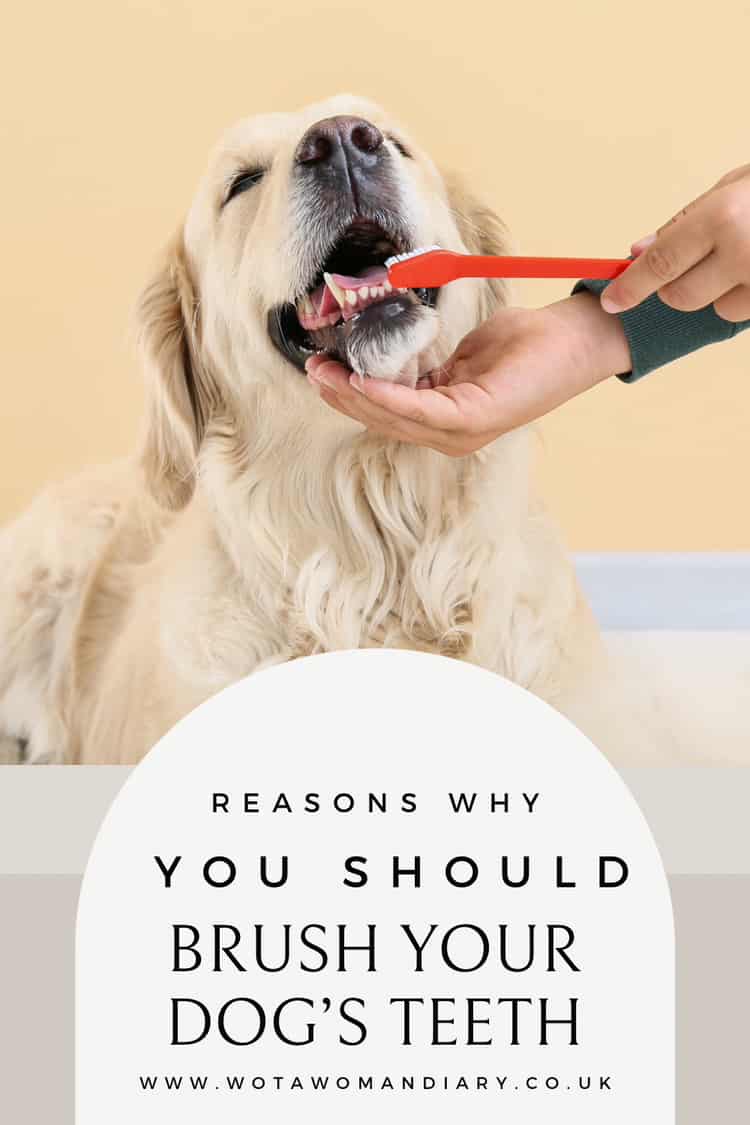
Brushing Your Dog’s Teeth
In the journey of caring for our dogs dental health, it’s easy to focus on the basics like feeding, exercise, and regular veterinary check-ups. However, one aspect that often slips through the cracks is dental health. Yet, as we’ve explored in this comprehensive guide, the significance of proper dental care for dogs cannot be overstated.
From preventing gum disease and tooth decay to combating bad breath and safeguarding overall well-being, maintaining your dog’s oral hygiene is essential for their long-term health and happiness. By implementing a regular dental care routine that includes brushing, dental treats, and toys, you can significantly reduce the risk of oral health issues and their associated consequences.
But beyond the physical benefits, investing in your dog’s dental health fosters a deeper bond between you and your furry friend. Through regular brushing sessions and positive reinforcement, you not only ensure their comfort and vitality but also strengthen your relationship through shared moments of care and affection.
So, let’s commit to being proactive stewards of our dogs’ oral health, recognizing that a little effort today can yield immeasurable rewards tomorrow. Together, let’s strive to keep our furry companions smiling brightly, their tails wagging, and their hearts full of joy for years to come. After all, a healthy smile is not just a reflection of good dental hygiene—it’s a testament to the love and dedication we have for our cherished canine companions.
Leave a Reply