Your garden is likely to be where your dog is spending a lot of their time at the moment. It’s a space where they can explore, play, and enjoy the outdoors safely. Ensuring your garden is dog-friendly and secure can enhance their experience and well-being
With spring here and the summer months approaching, it’s wise to ensure your garden is dog-friendly. This means you should consider adding sturdy fencing to keep your dog safe and secure. Additionally, adding pathways and designated play areas can help keep your garden organized and your dog entertained. Proper Landscape Lighting is also essential, as it can allow you and your dog to navigate the garden safely after dark. What’s more? You need to consider planting non-toxic plants to avoid any health risks for your dog.
That said, today, we will talk about the plants only. Let’s dive in to learn more!
Dog Friendly Garden
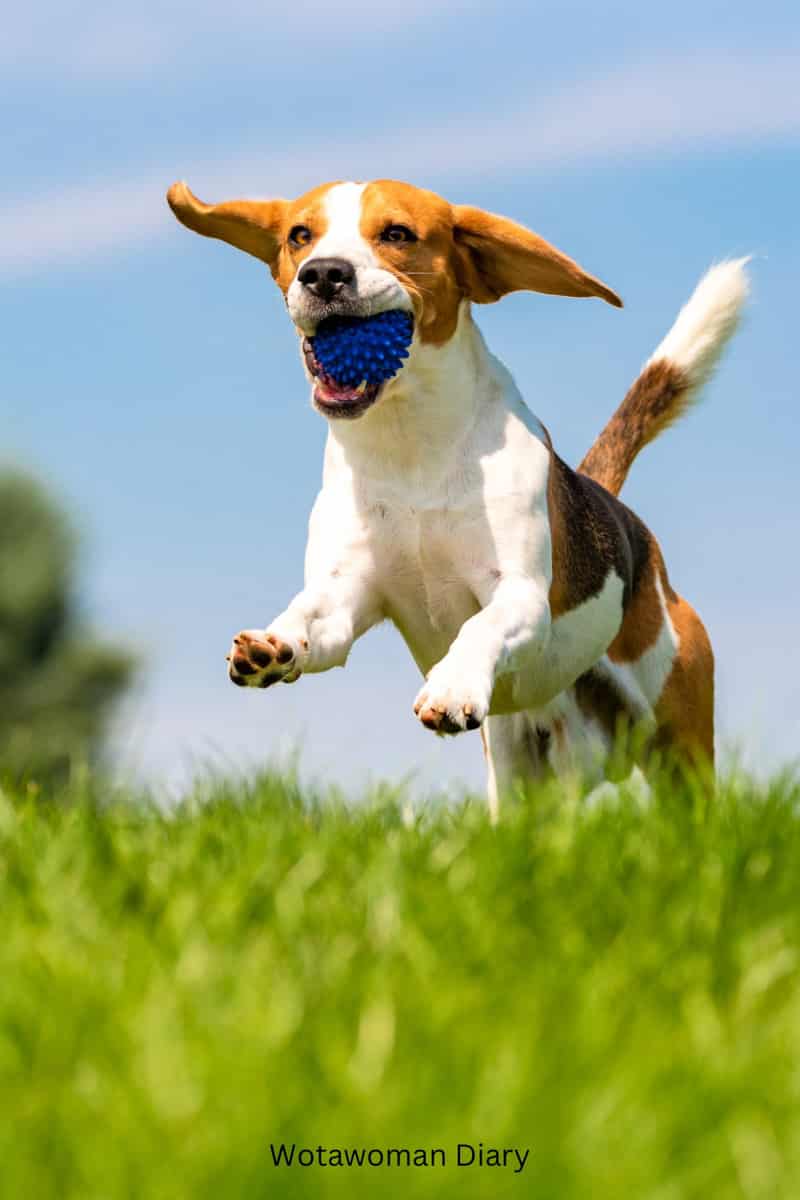
Dogs Eating Plants
Adult dogs do not typically try to eat plants and flowers.
However, with puppies, this is not the case, and you will find they want to eat and chew through pretty much anything that gets in their way.
Most poisonous plants that we grow in our gardens would need to be digested in large amounts. However, even small amounts can have harmful effects, which could lead to further problems.
Dogs do often eat grass to settle their stomachs, this is instinctive behaviour and it acts as a natural antacid.
It can often make them sick but this again is normal
As long as there are no toxic fertilisers or pesticides on the grass, then eating grass is safe. You can look at sod installation denver or other local companies for a safe turf to lay on your garden for your pets.
They do not get any nutritional value from the grass just quick digestion relief, so it is dog friendly.
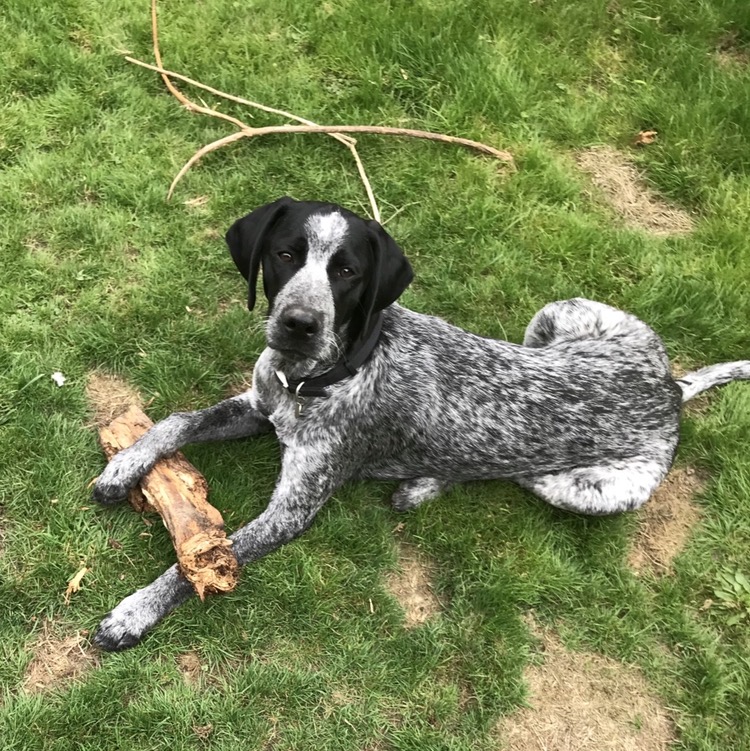
Toxic Plants To Dogs
A toxic plant commonly found in gardens is Bergenia, (Elephant ears ) they induce swelling of the tongue once digested, which will affect their breathing and immediate help is required.
Other symptoms of eating toxic plants consist of vomiting and drooling, these are more immediately noticeable effects.
Affects which may only show an hour or so later could be diarrhoea and seizures.
It is always advisable to seek veterinary advice if you suspect your dog has digested anything toxic in the garden or in the home.
Plants To Consider Avoiding
The foundation of a dog safe garden starts with choosing plants that are non-toxic to dogs. Before you start curating your new yard make sure you have done your research into the toxicity of the plants.
Often the name of the plant is an indication of whether or not it is safe for dogs. Deadly Nightshade, Wolfsbane and Dogbane part of the Latin name ‘Apocynum’ means ‘away dog’ Wolf’s bane known as Monkshood is the most toxic. The root was even historically used to kill wolves hence the name.
Rhododendrons, Azaleas, Orleander, Yew and Delphiniums are a few others which have very pretty blooms but can be fatal to dogs if digested. Most definitely NOT dog friendly.
Opt for pet-friendly alternatives like sunflowers, marigolds, and pet grass. Be sure to research each plant’s toxicity level before introducing it to your garden.
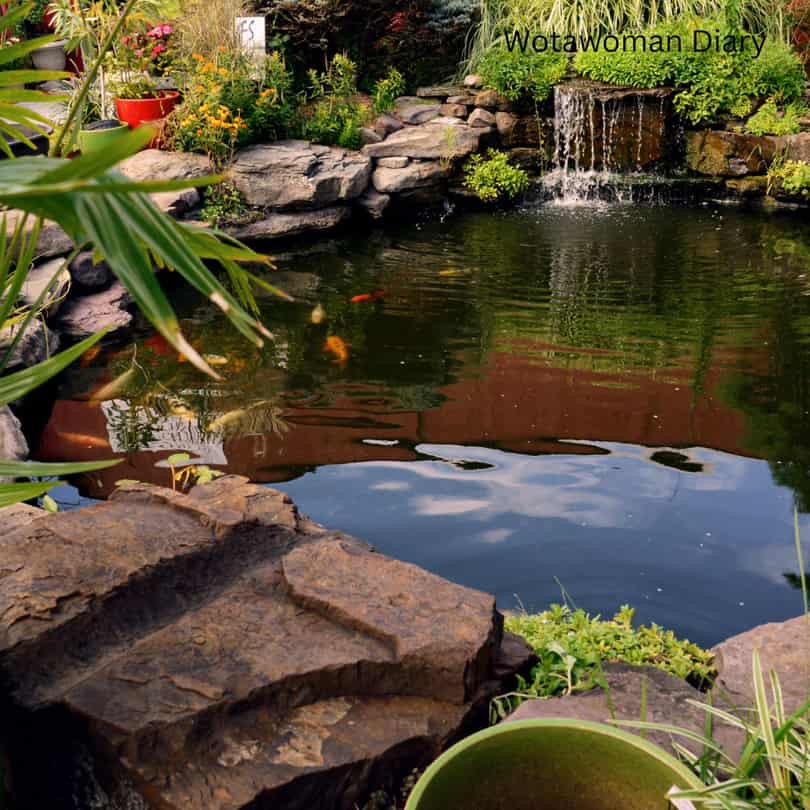
Hydration
A lot of people have ponds in their gardens and it is common to have some more netting or fencing covering it.
If a dog is in the garden and it is the nearest water source they might tend to try and drink from it.
Pond water isn’t particularly good for your dog to consume. Putting a non-metal bowl of water into the garden, in a shaded area to encourage them to drink from that is a good idea.
Encouraging water play with their own paddling pool to help keep them cool or to drink from help keep them happy and safe in your garden.
Sun Protection
Having a shaded area out of the sun is crucial for your dog to retreat to if they need to cool off.
A lot of dogs like the heat and will lay in the sun. A parasol or tree which gives ample shade will be required so they don’t over heat.
There are also the UV effects of the sun to consider. Dog sunscreen protection can be bought in a lot of pet shops as well as online.
White dogs and dogs which have white ears and noses are at higher risk of skin cancer and will need to have extra care taken over their skin protection whilst in the sun.
Transforming your garden into a dog friendly haven is a rewarding endeavor that benefits both your pets and your household. By selecting the right plants, securing the space, and creating designated areas for play, you can cultivate a harmonious and safe outdoor space for every member of your family to enjoy. Embrace the joy of gardening while providing a secure haven for your furry friends to explore and thrive.
Pin this for later
Well my garden used to be dog friendly, now its an ex garden, no one told me if you value your garden dont get a border collie. I went out a got 3 and they systamatically dug out every planter and raised beds, then they attempted the great escape by digging a tunnel to next door. Well you live and learn.
Through her younger days, we have made our garden very dog friendly she turned our garden upside down, didnt realise how much a little dog could get up to so much mischief
Our dog loves being in the garden and we have made it as dog friendly as possible. We do have an issue with him trying to bury anything he can get his little teeth into, and have unearthed some lovely surprises whilst trying to plant out!
A very clear and helpful post. I check everything I buy for the patio to ensure that my pets are safe.
Excellent tips! My pet pug is not fond of eating anything green that includes grass or plants but the interesting thing I have found that a house cat is very fond of feasting on lemongrass that I planted couple of months back!
My advice: don’t waste time and money on lawn care when it comes to dog-friendly landscaping. Most dog urine burns grass and leaves unsightly spots. Plus, many dogs enjoy digging up lawns, which generally results in mud being tracked into the house. To create a problem-free and low-maintenance landscape, ditch your lawn and add more permeable hardscape. Concrete, brick, wood, flagstone, or smooth river rocks are all popular hardscape materials among dog owners. Tip: Stay away from using sharp-edged crushed stones that can damage an animal’s feet.
In my garden we have mostly trees and fewer plants, among them, most are fruits or vegetable plants and none of them are poisonous.