Upgrading homes sounds like it should be exciting, and yeah, it is. But it also comes with that slightly annoying reality that the whole thing can depend on strangers doing what they said they’d do, on time, with no surprises. Well, that’s just how it all is when it comes to buying a house; it’s not just on you, but it’s other people being accountable too, there’s this giant domino effect with all of this.
And yeah, basically that’s a bold ask in real estate. For the most part here, a property chain can feel totally fine one day, then the next day it’s like someone’s lender needs “one more document,” an appraisal comes in weird, or a buyer gets cold feet after reading a home inspection like it’s a horror novel. Again, it’s a whole domino effect, a whole chain of events here. But how can you avoid getting trapped in all of this if things aren’t going to plan, though?
Upgrading Homes
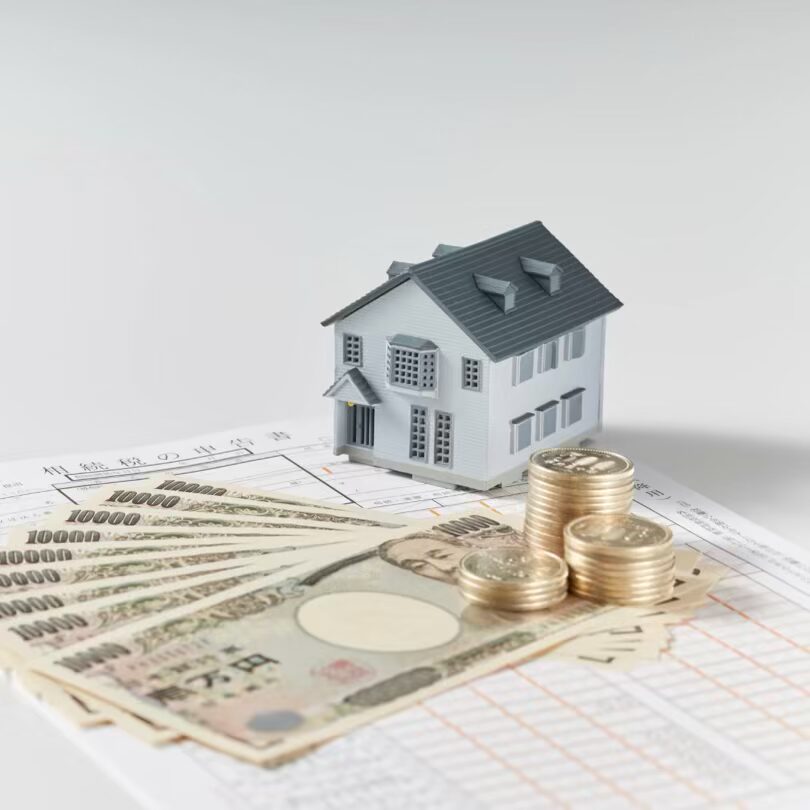
You Need to Understand What a Property Chain is
A property chain is basically a line of connected deals. One person can’t buy until their house sells; the next person can’t buy until theirs sells; and on and on. It’s like a domino setup, except the dominoes have attorneys and financing and emotions, and yes, this sounds horribly unfair too. But is this automatically bad?
Well, hard to answer here because chains happen all the time, and plenty of them close smoothly. The problem is that the plan only works if every single person in that line performs perfectly. Because if one deal falls apart, it can stall everyone else; that’s where stress starts, right?
Build Flexibility into the Plan
Well, yeah, this one might honestly be way easier said than done here. So, the best time to plan for a chain issue is before there is one. That means thinking about timing like it’s part of the budget. If a closing date has to be exact, it helps to admit that upfront, because “exact” is harder than people want it to be. Plus, you can’t just hope things will be fine and dandy; it just doesn’t work that way, sadly.
So, there needs to be backup plans, and there needs to be a lot of flexibility here. If something potentially bad could happen, well, it very well might actually happen. Like, what are your finance options in all of this? If buying before selling is even on the table, it can help to speak to a bridging loan specialist so the numbers, the fees, and the exit plan are understood early on.
But it could also be other things, like choosing a closing window that isn’t painfully tight; being open to a rent-back if the buyer needs time; negotiating dates that give room for delays without wrecking everything. Also, it helps to keep cash reserves realistic. Yeah, it’s a lot, maybe way too much for you might want to even think about, but you should consider all of these options, though.
Communication is More than Just Courtesy
Which is probably incredibly obvious, but it’s still something that should be mentioned, though. But at the same time, here, this part gets overlooked. People assume updates will just happen naturally, but real estate deals get messy when nobody’s pushing for clarity. It would make sense, but it just doesn’t always work the way you’d expect. It helps to have an agent who’s proactive, someone who actually checks in, not just someone who posts the listing and disappears.
Leave a Reply