Anxiety can feel like a relentless storm brewing inside you. It casts shadows over even the brightest moments of your life. It’s a common experience, yet one that can leave you feeling isolated and overwhelmed. However, you’re not alone, and there are ways to cope with anxiety and weather the storm.
I will give you some coping ways to deal with anxiety and provide practical strategies to help you find your calm.
Cope With Anxiety
What Is Anxiety?
Anxiety is a natural response to stress or perceived threats. It’s your body’s way of preparing for a challenge or danger. When faced with a stressful situation, your body releases hormones like adrenaline and cortisol, which trigger the “fight or flight” response. This response can be helpful in certain situations, but when anxiety becomes excessive or persistent, it can interfere with daily life.
Various factors, including genetics, brain chemistry, personality, and life events, can contribute to anxiety disorders.
What are the common symptoms of anxiety?
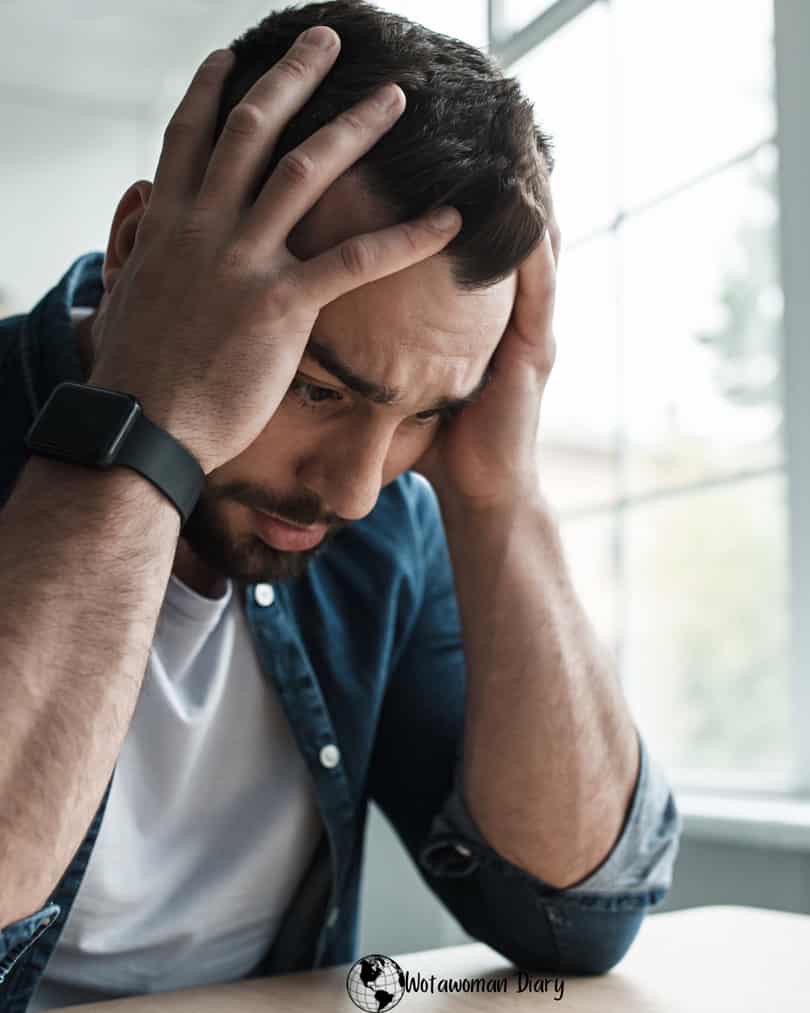
Anxiety can manifest in various ways. You may experience a constant sense of unease or dread. Your heart may race, and you may feel like it’s difficult to catch your breath. Some physical symptoms like sweating palms or shaky hands might be noticed. You may feel like you can’t breathe properly or are gasping for air similar to panic attack symptoms. Your mind may feel foggy, making it hard to focus on tasks. Anxiety can disrupt your sleep patterns, leading to difficulty falling asleep or staying asleep. You may feel on edge or easily annoyed by small things.
Practice Deep Breathing and Relaxation Techniques
Deep breathing exercises, such as diaphragmatic breathing or the 4-7-8 technique, can help activate the body’s relaxation response, reducing stress and anxiety. Progressive muscle relaxation involves tensing and relaxing different muscle groups to release tension and promote relaxation. Mindfulness meditation teaches you to focus on the present moment without judgment, helping to calm racing thoughts and promote a sense of peace.
Stay Active
Regular exercise is not only good for your physical health but also your mental well-being. Engaging in activities like walking, jogging, swimming, or yoga can help reduce stress hormones and increase the production of endorphins, your body’s natural mood lifters.
Aim for at least 30 minutes of moderate exercise most days of the week to reap the benefits for your mental health.
Prioritise self-care
Make time for activities that bring you joy and relaxation, whether it’s reading a book, spending time in nature, or pursuing a hobby. Taking care of your physical and emotional needs is essential for managing anxiety. If you need a doctor’s appointment or other forms of healthcare, then virtual medical assistants could give you the opportunity to talk to someone without the need for leaving the house. Practice self-compassion and treat yourself with kindness, especially during challenging times.
Challenge Negative Thoughts
Identify and challenge negative thought patterns that contribute to your anxiety. Cognitive behavioural therapy (CBT) techniques, such as cognitive restructuring, can help you recognise irrational or distorted thoughts and replace them with more realistic and balanced ones. Keep a journal to track your thoughts and emotions, and look for patterns or triggers that exacerbate your anxiety.
Establish a Routine
Structure and predictability can help reduce feelings of uncertainty and anxiety. Establishing a daily routine can provide a sense of stability and control, making it easier to manage stress and cope with challenges.
Set regular wake-up and bedtime hours, schedule meals and activities, and allocate time for relaxation and self-care. Be flexible and willing to adapt your routine as needed, but try to maintain consistency whenever possible.
Seek Support
Don’t hesitate to reach out to friends, family, or a mental health professional for support. Talking about your feelings and experiences can help you feel less alone and provide valuable insights and coping strategies. Consider joining a support group or seeking individual therapy to explore your thoughts and emotions in a safe and supportive environment. Serenity Mental Health is one such resource that offers comprehensive mental health services to help you navigate through challenging times. Remember that asking for help is a sign of strength, not weakness, and there are people who care about you and want to support you on your journey to recovery. If you’re looking for professional guidance, Mental Health treatment in Woodland Hills (or elsewhere) can offer accessible and compassionate care tailored to your individual needs.
When should I seek professional help for anxiety?
While self-help strategies can be beneficial, it’s essential to seek professional help if anxiety is significantly impacting your daily life or if you’re experiencing severe symptoms such as panic attacks, persistent worry, or avoidance behaviours. A mental health professional, such as a therapist or psychiatrist, can assess your symptoms, provide an accurate diagnosis, and recommend appropriate treatment options, such as therapy, strength based therapy, medication, or a combination. Therapy approaches like CBT, exposure therapy, and mindfulness-based therapies have been shown to be effective in treating anxiety disorders. Medications like selective serotonin reuptake inhibitors (SSRIs) or serotonin-norepinephrine reuptake inhibitors (SNRIs) may also be prescribed to help manage symptoms.

How To Cope With Anxiety
Living with anxiety can feel like navigating through a maze of uncertainties. Try to remember that you have the strength and resilience to overcome it.
By implementing these coping strategies and seeking support when needed, you can learn to manage your anxiety and reclaim control over your life.
You deserve peace and happiness, and it’s within reach. Remember to be patient and compassionate with yourself as you navigate your journey to healing and recovery.
You’re not alone, and brighter days are ahead.
Leave a Reply