Men and women are different in many respects. The former are, on average, around 7% taller than the latter, who tend to enjoy an advantage when it comes to life expectancy. One disparity that might have gone unnoticed is that women are more likely to be hurt in a car crash, which can potentially mean that they might need to call in the services of a richmond personal injury attorney, for example, to help them handle the aftermath.
Women Are More Likely To Be Hurt In A Car Crash
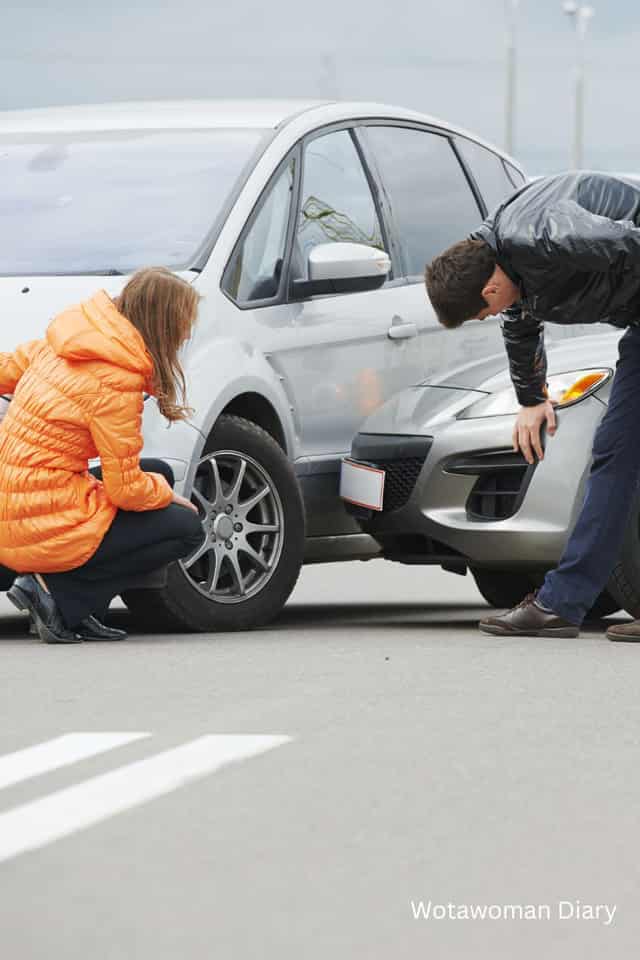
The gender imbalance in road fatalities
To be sure, men are more likely to be involved in a crash, and the crashes they are involved in tend to be more severe. We might put this down to the choice of vehicle (motorcyclists tend to be at greater risk, and they’re disproportionately male) as well as driving behaviour and style. Considering women’s car insurance is typically cheaper than men’s you would think that women are safer drivers.
But, of the people who are involved in a car crash, according to data from the US department for transportation, women are the more likely to be seriously injured or to die. These data, and data like them, tend to be gleaned from figures from insurance claims, and from personal injury claims filed in the wake of an accident.
Why is this?
There are quite a few different things to consider, here.
The first is that women are physically different from men. The muscles in their necks are weaker, which makes whiplash more severe, even if we hold the forces involved in a collision constant. This weakness is exacerbated by the design of many modern cars, which, according to Swedish researchers, come with seats that are too firm to absorb this impact.
Another factor to consider is that manufacturers have been testing their vehicles using the wrong sorts of dummies. More specifically, these dummies are based on the average male build. Somewhat alarmingly, it was only in 2022 that a convincing female version debuted.
We might also consider the shape of the cars driven by men, which tend to be longer, larger, and more protective. Car manufacturers also tend to force women to sit closer to the pedals, which makes collisions potentially more dangerous. Given that women tend to be smaller, with shorter legs, it’s unclear how this concern might be addressed – but many manufacturers are making it a priority.

One engineer from Volvo, Lotta Jakobsson (who is female), has claimed that her company is ahead of the industry when it comes to gender equality. “If you design your car well, they [women] will not be at a higher risk,” she told Driving.co.uk. “We check most body regions and we see that there is gender equality. They are the same.”
So, we might reasonably conclude that some manufacturers perform better than others and that the industry is heading in the right direction – largely as a consequence of women being allowed to make decisions at the manufacturers in question.
There are still many areas in which gender bias plays a huge role in the outcome. Unfortunately, road accidents are one of them and women are more likely to be hurt in car crashes.
You can pin this image to refer to this post again later 
It explores various reasons for this disparity, such as physical differences between men and women, differences in driving behavior, and inadequate safety measures in cars designed primarily for male drivers. The blog presents a balanced perspective and acknowledges that the issue is complex and requires a comprehensive solution. Overall, this blog provides valuable insights into a significant road safety issue.