As the world grapples with the urgent need for environmental sustainability, adopting electric vehicles (EVs) has become increasingly essential for a greener future. Fortunately, more countries are embracing EVs, with governments and industries pushing for a transition away from fossil fuels. This shift is crucial for a transformation that promises a more sustainable way of living.
To fully appreciate this change, it’s important to understand the elements that extend beyond the vehicles themselves. For instance, a critical component of this electric revolution is the infrastructure that powers these vehicles: the EV charger. As more individuals consider switching to electric cars, understanding the basics of EV charging and how to implement commercial EV charging solutions becomes more essential. It’s not just about how to charge an EV, either, but also about comprehending a technology that is set to become as commonplace as petrol stations.
Many people are opting to go for high end electric cars like a Mercedes for their first electric vehicle with the hope of fewer issues. But lets take a look at EV chargers and EV vehicles as well.
Guide To EV Chargers
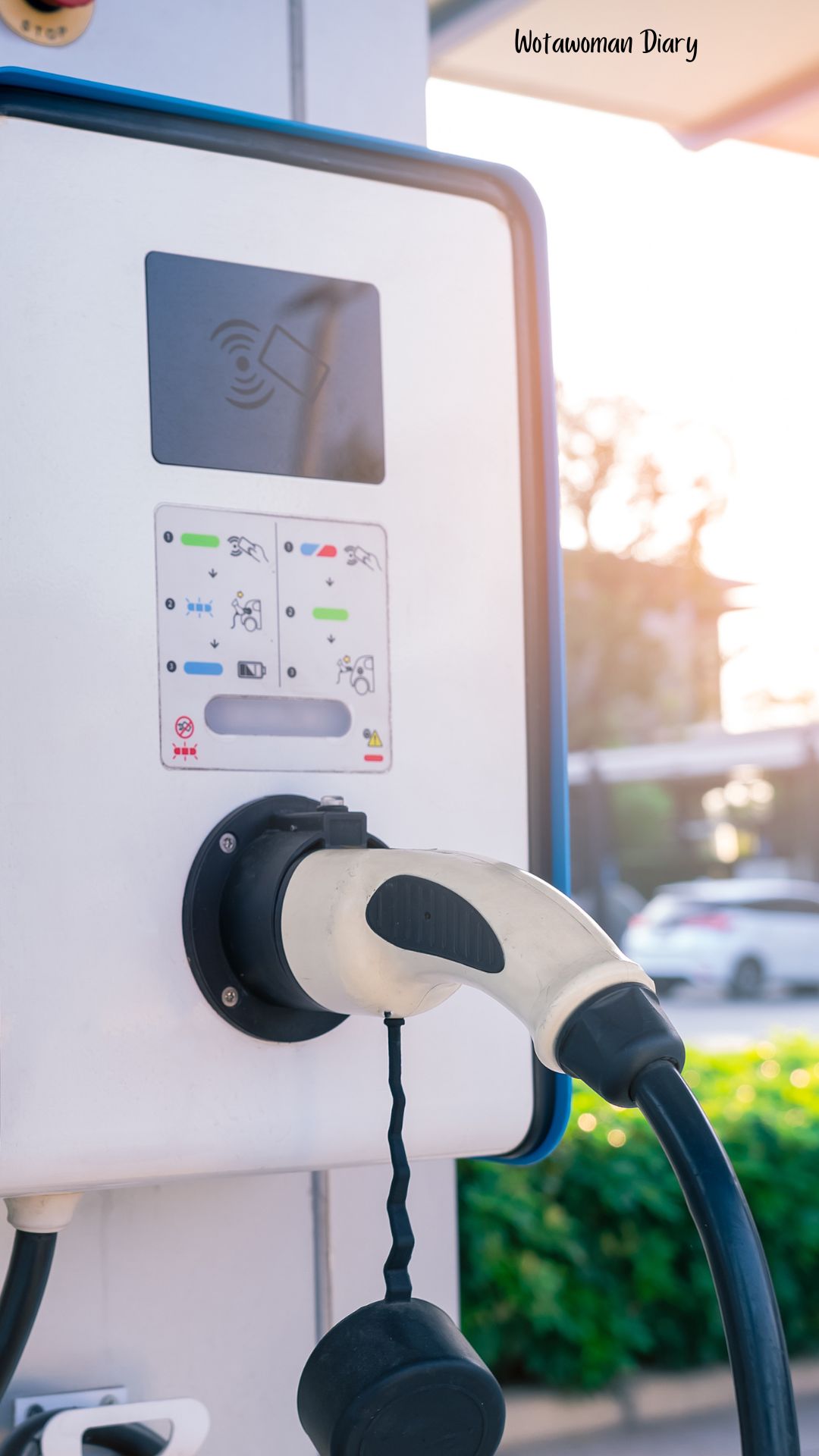
If you’re considering the switch to EV, here are some fundamental concepts you need to know about EV chargers:
The Lifeline of Electric Vehicles
EV chargers are to electric vehicles as petrol stations are to conventional cars. However, unlike their fossil fuel counterparts, EV chargers are more diverse in type, charging speed, and location, ranging from simple home setups to more sophisticated public charging stations. These factors are vital in determining the feasibility and convenience of owning and operating an electric vehicle.
Types of EV Chargers
EV chargers are broadly categorised into Level 1, Level 2, and DC Fast Chargers (also known as Level 3). Level 1 chargers are the most basic type and are often provided with the vehicle. These can be plugged into a standard household outlet and are the most convenient for many consumers. However, they offer the slowest charging speed.
Level 2 EV chargers require a specific installation and are significantly faster than their Level 1 counterparts. They are commonly found in public charging stations and workplaces. EV owners who want more rapid charging may also have Level 2 EV chargers installed at home.
Finally, DC Fast Chargers are the fastest type of EV charging available. They are typically found in public charging stations and are ideal for long-distance travel, providing significant charge quickly and efficiently. However, not all electric vehicles are equipped to handle this level of rapid charging. If you’re planning to get an EV charging point installation in your home or workplace, conduct extensive research before choosing what type of EV charger is the most suitable.
Charging Time
The time required to charge an EV varies significantly. It is influenced by several critical factors, including the charger used, the vehicle’s battery capacity, and its existing state of charge. For instance, Level 1 chargers typically take between 8 and 20 hours to fully charge an EV. As such, these chargers are ideal for overnight charging or for electric vehicles parked for extended periods. In contrast, Level 2 Chargers offer quicker charging speeds, usually replenishing an EV’s battery in about 4 to 6 hours. This makes them suitable for daily use and more practical for individuals with busier lifestyles.
DC Fast Chargers can power up some EVs to 80% in 30 minutes. But again, this rapid charging capability varies depending on the specific model of the vehicle and its battery condition. It’s also important to note that charging speeds typically decrease as an EV’s battery nears full capacity to maintain battery health. EV owners must learn how to adapt their charging strategies to fit their schedules, utilising slower, overnight charging at home and reserving fast chargers for longer trips or quick top-ups.
Cost of Charging
The price of charging an EV can vary significantly based on where and how you charge your vehicle. Charging at home is usually cheaper than using public charging stations. That said, the cost of home charging will depend on your local electricity rates and the efficiency of your EV. To help lower ongoing charging expenses, many EV owners explore smart energy plans and resources such as an Intelligent Octopus Go guide, which can explain how off-peak charging tariffs work and how they may help reduce electricity costs when charging overnight.
Public charging stations, especially ones with high-speed chargers, may charge a premium for the convenience of faster charging speeds. Understanding the cost implications—including that of potential home electricity upgrades for Level 2 chargers—is essential for EV owners to manage their overall vehicle expenses.
Installation and Maintenance
Installing a Level 2 charging point at home typically involves hiring a professional Toledo electrician and possibly upgrading your home’s electrical system. The cost and complexity of installation can vary based on your home’s existing electrical infrastructure and the charger’s specifications. Fortunately, regular maintenance of EV chargers is relatively minimal. However, it’s important to periodically check for any wear or damage, especially for cables and connectors. Ensuring your charging point is functioning properly not only prolongs its life but also provides safety and efficiency.
Compatibility and Connectors
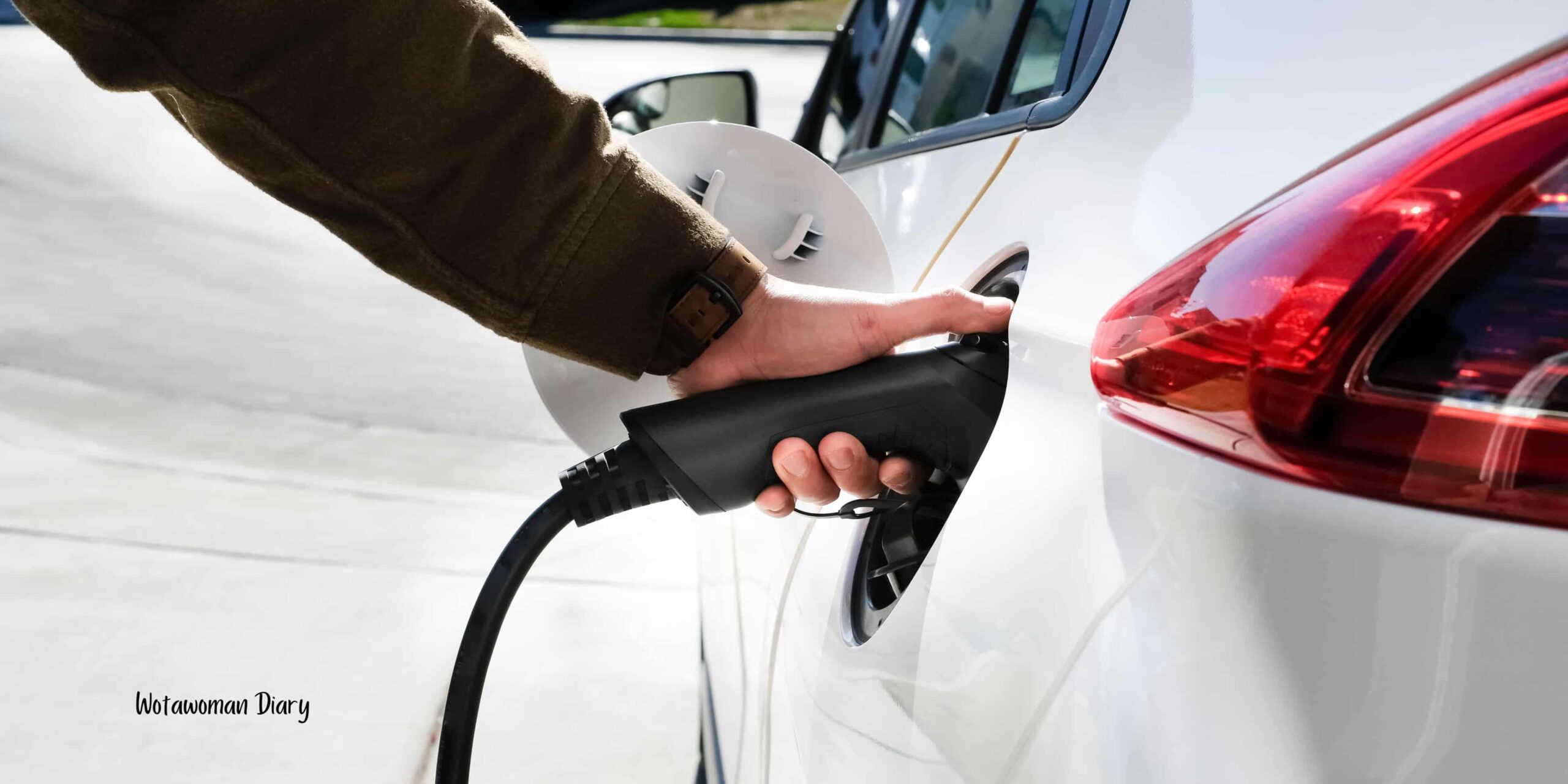
Not all EV chargers, portable or otherwise, are compatible with all EVs. Most EVs use a standard connector type for Level 1 and Level 2 charging, while DC Fast Chargers usually require different connectors. For instance, CHAdeMO connectors are common in Japanese EVs, while combined charging systems or CCS connectors are widely used in European and American models. Tesla vehicles typically use proprietary connectors, although adapters are available for other chargers. EV owners must understand which connector types their vehicles support to ensure they can access the appropriate charging infrastructure.
Safety Considerations
Safety is paramount when dealing with EV charging. Always follow the manufacturer’s instructions for charging. Also, use only the charger and cords designed specifically for EVs to avoid overheating and other electrical hazards. Regularly inspect your charging cable and unit for any signs of damage, such as fraying or cracking. Also, have a qualified electrician install and regularly inspect your home charging point.
In public charging stations, be aware of the surroundings and adequately secure the charging connector. As a general rule, avoid charging your EV in extreme weather conditions to prevent potential damage to your vehicle’s battery and charging system.
Charging to the Future
Knowledge of EV charging empowers you, the consumer, to make informed decisions. These decisions resonate beyond the individual, contributing to a collective effort toward a greener, brighter, and more advanced future. As personal transportation continues to evolve through the gradual integration of EVs, your role in this change becomes ever more significant.
The future is electric, and it’s a future everyone can be a part of.
Leave a Reply