Car insurance is a lifeline for drivers, providing financial protection in the event of accidents and unforeseen mishaps on the road. However, many vehicle owners are unaware that there are certain car issues that can revoke your car insurance.
In this blog post, we will delve into six critical car issues that could jeopardize your insurance. We will explore why they are considered red flags for insurance companies. Being informed about these issues will help you prioritize vehicle maintenance and ensure uninterrupted insurance coverage. Car insurance costs vary massively from person to person. The car you drive will directly impact the price you pay and other factors will affect your insurance.
Car Issues That Can Revoke Your Insurance

1) Neglected Maintenance and Repairs
Regular vehicle maintenance is not only crucial for your car’s longevity and performance but also for maintaining your insurance coverage.
Insurance companies expect drivers to keep their vehicles in a safe and roadworthy condition. Neglecting essential maintenance tasks, such as brake inspections, tire rotations, and oil changes, can increase the risk of accidents. Keeping on top of your car servicing requirements will help keep your car road worthy.
If an insurer discovers that a collision or incident occurred due to the lack of proper maintenance, they might deny your claim and potentially cancel your policy.

2) Modifications without Disclosure
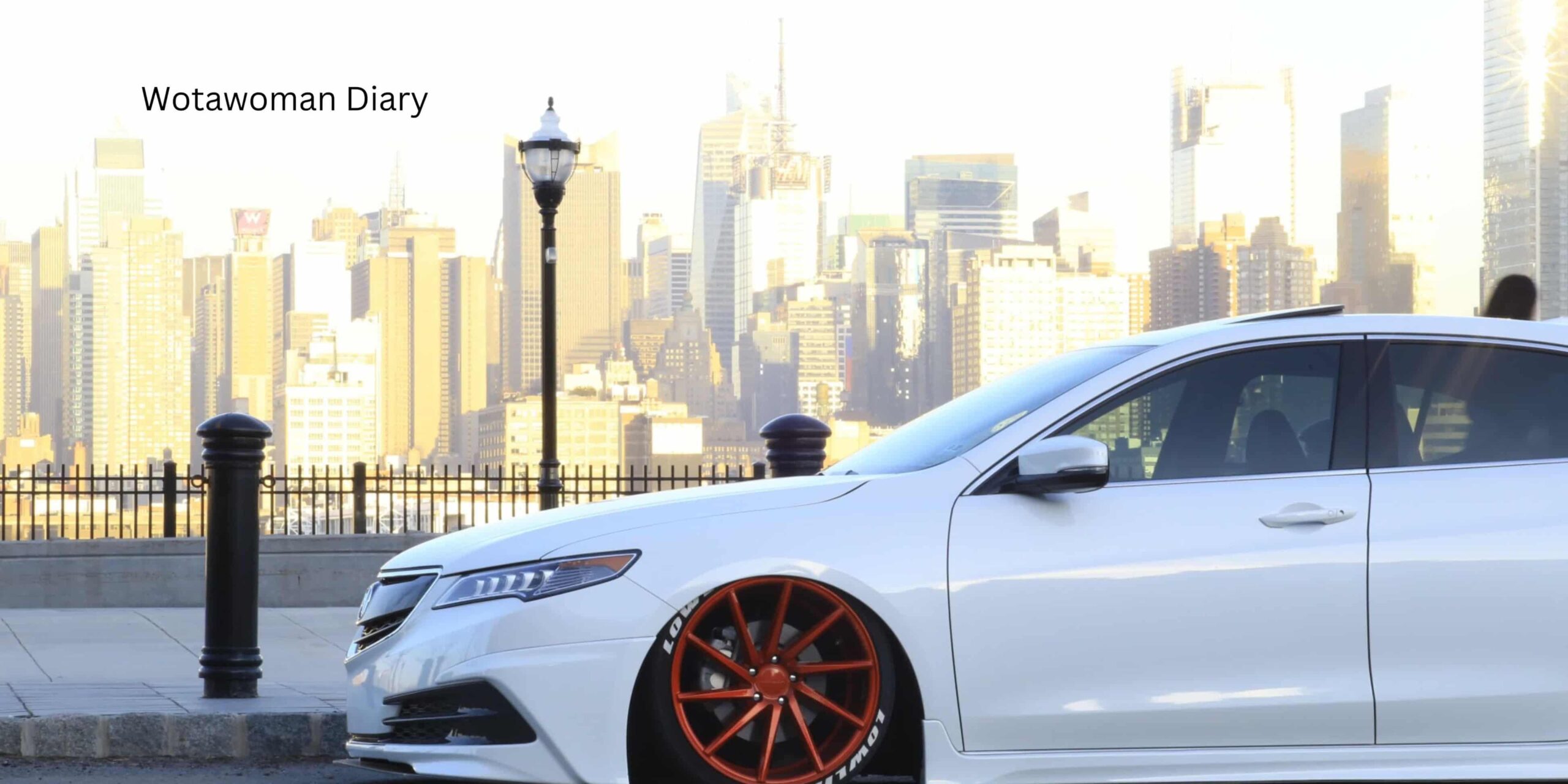
Customizing your car can be an exciting endeavour, but failing to inform your insurance provider about any modifications is a mistake that could prove costly.
Modifications like engine upgrades, altered suspensions, or cosmetic changes can affect the vehicle’s safety and performance. Without proper disclosure, your insurance policy might not adequately cover damages. Your policy may be entirely revoked if a claim arises from an incident related to the modifications.
3) Salvage Title or Rebuilt Vehicle
If your car has a salvage title or has been rebuilt after a serious accident, obtaining insurance coverage can be challenging, and some insurers may refuse to insure such vehicles altogether.
Salvage vehicles are deemed high-risk due to their previous history, and even if you manage to secure coverage, the terms may be unfavourable, with limited coverage options and higher premiums.
4) Excessive Mileage and Commercial Use
The extent of your car’s usage is also a critical factor for insurance companies.
Driving excessive miles each year increases the likelihood of accidents and damages, making you a higher risk for insurers. Additionally, using your personal vehicle for commercial purposes, such as ridesharing or delivery services, can void your personal car insurance coverage. In such cases, you may need to acquire a commercial insurance policy to ensure appropriate protection.
5) Unapproved Storage or Usage
Leaving your car unattended for extended periods without proper storage precautions can lead to issues with your insurance.
Some policies have specific terms regarding vehicle storage, especially during long periods of inactivity or harsh weather conditions. Failing to adhere to these guidelines may result in the suspension or cancellation of your coverage. Insurers typically prefer vehicles to be stored on private property in a covered area like a garage. So consider contacting experienced builders of detached Garages and get an additional garage space built to accommodate your vehicle. Not only will this handle any insurance qualms, but it will keep your car looking and running its best.
6) Failure to Pass Vehicle Inspections
Many countries and states require periodic vehicle inspections to ensure roadworthiness and safety.
If your car fails to pass these mandatory inspections, it could result in serious consequences for your car insurance coverage. Insurance companies view vehicles that have not met the required safety standards as high-risk, and they may either raise your premiums substantially or cancel your policy until the issues are resolved and the car passes inspection.
Neglecting to address the necessary repairs and re-inspections in a timely manner could leave you without insurance protection, making it illegal to drive on public roads.
Car insurance is an essential aspect of responsible vehicle ownership, but it comes with its share of responsibilities.
Neglecting car maintenance, failing to disclose modifications, driving a salvage or rebuilt vehicle, excessive mileage and unauthorized usage are critical car-related issues that can revoke your insurance coverage.
To ensure uninterrupted protection, it’s vital to be proactive about vehicle maintenance. Communicate with your insurer about any changes or modifications, and adhere to the terms and conditions of your policy.
Remember that insurance companies prioritize risk assessment. Being diligent in caring for your car will not only save you potential headaches but also keep you and others safe on the road.
Always review your insurance policy thoroughly, and seek professional advice when necessary. Always drive responsibly to maintain a secure and protected driving experience.
Leave a Reply