Gardening in August may seem counterintuitive to some, especially with the late summer heat still hanging in the air. However, for many regions, particularly in temperate zones, August is a pivotal time to begin planning and planting for a successful fall harvest and an extended flowering season. This August gardening guide should be of use if the March planting has been bountiful, so hopefully, you are eager to plant some more.
Whether you are a seasoned gardener or a newcomer to horticulture, understanding the best flowers and vegetables to plant in August can enhance the productivity and beauty of your garden.
With the right knowledge and a little effort, your garden can thrive well into the cooler months.
August Gardening Guide
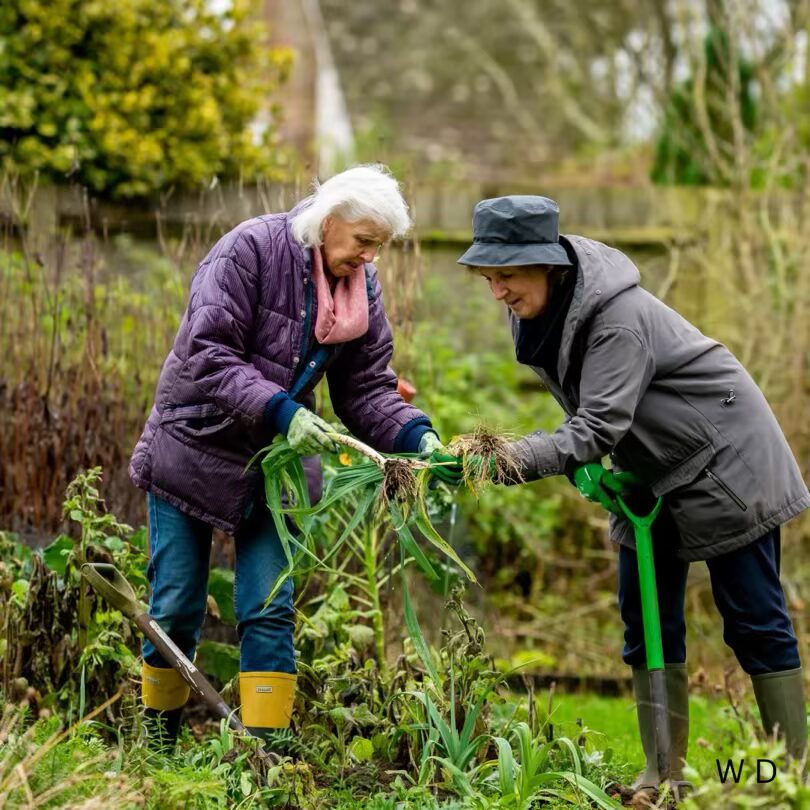
As the dog days of summer begin to wane, gardeners find themselves at a crossroads. The early planting season is behind us, and the first hints of autumn are on the horizon. This unique window provides a final opportunity to sow new seeds and transplant seedlings. The soil is warm, promoting quick germination, and the days are still long enough to provide ample sunlight for young plants to establish themselves. August also serves as a transitional period in which certain summer crops are still producing, while preparations for fall and even early winter crops begin. This dual opportunity makes August an exciting and dynamic month for gardening.
What To Plant In August
When considering what flowers to plant in August, it is important to focus on varieties that either bloom in late fall or are hardy enough to survive early frost. One of the most popular and reliable choices is pansies. These cheerful, colorful flowers are remarkably frost-tolerant and can provide vibrant color well into the colder months. Pansies prefer cooler temperatures and will begin to thrive as the summer heat recedes. Another great option is snapdragons. Known for their vertical growth and multitude of colors, snapdragons are hardy annuals that perform well in the cooler weather of fall. They can be started from seed or transplanted as young plants, and with proper care, they will continue to bloom until the first heavy frost.
Chrysanthemums
They are often called mums, are another flower to consider planting in August. These perennials are quintessential fall bloomers and come in a wide range of colors and forms. Planting them in August allows enough time for the roots to establish before the temperature drops. While they are often sold as potted plants ready for display, planting young mum starts in the garden ensures better root development and a stronger, more resilient plant. Similarly, asters are hardy perennials that bloom profusely in the fall. Their daisy-like flowers are particularly attractive to pollinators, making them a valuable addition to any garden.
Perennials
In addition to these fall-blooming varieties, gardeners can also plant perennials in August that will bloom the following year. Examples include coneflowers, black-eyed Susans, and coreopsis. These plants benefit from the warm soil and relatively moist conditions of late summer, allowing them to establish strong root systems before going dormant in winter. By planting these perennials in August, gardeners ensure a head start on next year’s growing season, resulting in healthier, more robust plants.
Cool Season Crops
Vegetable gardening in August focuses primarily on cool-season crops that can mature before the first hard frost. Leafy greens are among the easiest and most rewarding vegetables to plant this time of year. Varieties such as spinach, kale, Swiss chard, and lettuce thrive in cooler weather and can be harvested continuously throughout the fall. These greens can be sown directly into the garden soil or started in trays and transplanted later. Because they grow relatively quickly, gardeners can often enjoy multiple harvests before the end of the season.
Root Vegetables
These are another excellent category for August planting. Carrots, beets, radishes, and turnips all perform well when sown in late summer. The key to success with these crops is consistent moisture and proper thinning. Carrots and beets, in particular, can take several weeks to germinate, so patience is required. Once established, these root vegetables can be left in the ground until they are needed, often becoming sweeter as temperatures drop.
Brassicas
A family of vegetables that includes broccoli, cauliflower, cabbage, and Brussels sprouts, are also suitable for August planting. These crops benefit from the cooler temperatures of fall, which help prevent bolting and improve flavor. Because they require a longer growing season, it is often advisable to start brassica seeds indoors in mid-summer and transplant the seedlings in August. With regular watering and protection from pests, these vegetables can provide a bountiful harvest well into late fall.
Garlic
Garlic is another crop that can be planted in August in some climates, although it is more commonly planted in September or October. By getting a head start, garlic cloves can establish roots before winter sets in. The bulbs will remain dormant through the cold months and resume growth in early spring. This long growing period results in large, flavorful bulbs ready for harvest the following summer.
August Herbs
Herbs are often overlooked in the late summer garden, but many varieties are well-suited for August planting. Cilantro, parsley, and dill all prefer cooler weather and can be sown directly into the soil. These herbs grow quickly and can be harvested repeatedly throughout the fall. Additionally, perennial herbs such as thyme, oregano, and chives can be planted in August to establish strong roots before winter. These perennials will return year after year, making them a valuable investment for the home gardener.
Companion Planting
Companion planting is another strategy that can enhance the success of your August garden. By choosing plant combinations that benefit one another, gardeners can naturally deter pests, improve pollination, and maximise space. For example, planting marigolds among vegetables can help repel nematodes and aphids, while herbs like basil can improve the flavor and vigor of tomatoes. Understanding these symbiotic relationships can lead to a more productive and harmonious garden.
August Plant Watering
Watering practices are especially critical during August, as plants are susceptible to heat stress and dehydration. It is important to water deeply and infrequently, encouraging deep root growth and reducing evaporation. Early morning is the best time to water, as it allows foliage to dry during the day, minimizing the risk of fungal diseases. Mulching around plants can further conserve moisture, regulate soil temperature, and suppress weeds.
Pest Management
Pest management becomes increasingly important in late summer. As temperatures begin to cool, certain pests become more active. Monitoring plants regularly for signs of damage and using integrated pest management techniques can help maintain plant health. This may include hand-picking pests, using row covers, or applying organic treatments like neem oil or insecticidal soap.
Soil health is the foundation of any successful garden. August is an ideal time to amend your soil with compost or other organic matter. Doing so improves soil structure, enhances nutrient availability, and promotes beneficial microbial activity. A simple soil test can reveal deficiencies and guide your fertilization strategy. Cover cropping is another practice worth considering, especially in larger gardens. By planting cover crops like clover or rye, gardeners can protect soil from erosion, suppress weeds, and improve fertility for future plantings.
August Gardening Guide Conclusion
August is far from a dormant month in the garden. On the contrary, it represents a vital period of transition and opportunity.
By choosing the right flowers and vegetables, and by employing smart gardening practices, you can extend your growing season, improve your garden’s productivity, and enjoy a vibrant, flourishing landscape well into the fall. Whether you are planting pansies for a burst of autumn color or sowing kale for crisp fall salads, the key to success lies in timing, preparation, and a bit of seasonal savvy.
Embrace the possibilities that August brings, and your garden will reward you with beauty and abundance long after summer fades.
GIVEAWAY
Terms & Conditions
The winner will be notified by email from wotawomandiary@gmail.com after the closing date of 13th September 2025
This prize draw is in no way sponsored, endorsed, administered by, or associated with, Facebook, Instagram, Twitter, YouTube or Pinterest or any other social media platform.
Prize open to over 18s only
Anyone who unfollows before the giveaway ends or doesn’t complete the required entry action will be disqualified.
The winner will be stated on the Gleam widget
By entering this prize draw, you give your permission for this. Please note the winner may have the same name as you so if you see your name displayed, be aware that you are not the winner unless you have been notified by us.
Leave a Reply