Body piercings have been a form of self-expression, cultural significance, and personal adornment for centuries. From earlobes to more unconventional locations, piercings can be both beautiful and symbolic. However, before you decide you are getting a piercing, there are several factors you should consider to ensure the process goes smoothly and you avoid any potential complications.
This comprehensive guide will walk you through everything you need to know before getting a piercing.
Getting A Piercing

Understanding the Types of Piercings
The first step in your piercing journey is deciding what type of piercing you want. Each piercing comes with its own set of challenges, healing times, and care requirements. Here are some common types:
Earlobe Piercing: The most common and generally least painful type. Healing time is typically 6-8 weeks.
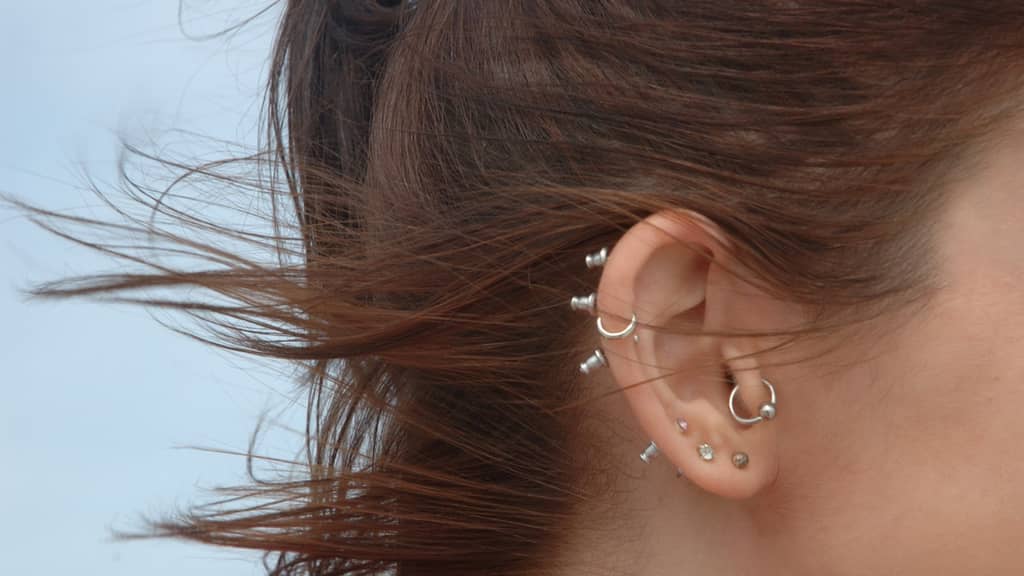
Cartilage Piercing: This includes the helix, tragus, and conch. Healing can take anywhere from 3-12 months.
Nose Piercing: Usually the nostril or septum piercing, with healing times ranging from 2-6 months.
Lip and Oral Piercings: Includes the labret, Monroe, and tongue. These can take 6 weeks to 3 months to heal.
Navel Piercing: Belly button piercings can take up to a year to fully heal.
Genital Piercings: Healing times and pain levels vary widely; these require careful consideration and professional advice.
Choosing a Reputable Piercing Studio
Once you’ve decided on the type of piercing, the next critical step is choosing a reputable piercing studio. This cannot be stressed enough, as the quality and safety of your piercing experience heavily depend on the professionalism and hygiene standards of the studio. Find a good piercing shop so that you get all the necessary information. As well as a knowledgeable person to call in case you’re worried; Labret Piercing Shop is a great place to start, have a look at their website before you make up your mind.
Here’s what to look for
Cleanliness: The studio should be spotless, with no signs of dirt or disarray. All surfaces should be sanitized.
Certification: Ensure that the piercer is certified by a recognized body, such as the Association of Professional Piercers (APP).
Equipment: The piercer should use sterile, single-use needles, and all equipment should be autoclaved (sterilized using high-pressure steam).
Portfolio: Ask to see the piercer’s portfolio of previous work. This can give you an idea of their skill level and experience.

The Consultation Process
Before the needle touches your skin, a consultation with your piercer should happen. This is yet another reason why you should only ever consider going to one of the Best Body Piercing Shops in Midtown NYC (or indeed elsewhere), as a thorough consultation that touches on all the necessary points and relieves your worries is crucial. This meeting allows you to ask questions, discuss any concerns, and understand the procedure. It is important to understand that pain levels vary depending on the piercing location and your personal pain tolerance. Getting a clear understanding of the healing timeline and what you can do to ensure a smooth recovery is crucial. Proper aftercare is vital to prevent infections and promote healing, so your piercer should provide detailed instructions.
Pain and Pain Management
Pain is one of the most common concerns for those considering a piercing. While pain levels vary from person to person, understanding what to expect can help you prepare mentally and physically. Earlobe piercings are generally the least painful, while cartilage and more sensitive areas like the nipples or genitals can be more painful. Techniques like deep breathing, focusing on a point in the room, or listening to music can help manage pain during the procedure. Some people find over-the-counter pain relievers helpful afterwards but always consult with your piercer first.
Healing and Aftercare
Proper aftercare is essential for healing and preventing complications like infections or keloids. Generally, you should clean the piercing with a saline solution (sea salt and warm water) twice daily and avoid alcohol or hydrogen peroxide, which can be too harsh. Do not touch or twist the jewellery unnecessarily, as this can introduce bacteria. Stay away from swimming pools, hot tubs, and natural bodies of water during the healing period. Be mindful of clothing that might rub against the piercing or accessories like hats and headphones.
Check out this article to read up on all the fashionable ladies getting pierced these days.
Potential Risks and Complications
Every piercing comes with potential risks and complications, even when performed by a professional. Being aware of these can help you take appropriate measures to mitigate them. Infection is a risk; signs include redness, swelling, pain, and discharge. If you suspect an infection, contact your piercer or a healthcare professional immediately. Some people are allergic to certain metals used in jewellery, such as nickel, so opt for hypoallergenic materials like titanium or surgical steel. Keloids, which are raised scars that can form around the piercing site, are a possibility. If you have a history of keloids, discuss this with your piercer. Sometimes, the body treats the piercing as a foreign object and pushes it out, a phenomenon known as migration and rejection. This is more common with surface piercings.
Surface piercings and dermal anchors are often confused, but they have different structures and risks. A surface piercing uses a barbell that sits under the skin, while a dermal anchor has a base that stays in place. Because they sit differently, their healing times and rejection rates vary a lot. You can look at a piercing comparison to see which one fits your body and lifestyle best. Choosing the right method helps reduce the chance of the jewellery moving or falling out. This choice is a big part of making sure your new body art stays healthy for a long time.
Psychological and Social Aspects
Getting a piercing can be an empowering and exciting experience, but it can also come with psychological and social considerations. Piercings are a form of self-expression and can significantly impact your self-image and confidence. Be prepared for varying reactions from family, friends, and strangers. While some may appreciate your new piercing, others might not be as supportive. Many people get piercings for deeply personal reasons, such as to commemorate an event or express their identity. Reflect on what the piercing means to you.
Cost and Budgeting
The cost of getting a piercing can vary widely depending on the location, studio, and type of jewellery used. It’s essential to budget not just for the piercing itself but also for aftercare products and potential follow-up visits. Piercing fees can range from $30 to $100 or more, depending on the complexity and location. High-quality initial jewellery can be more expensive, but it’s worth the investment for the sake of your health. Saline solution, antibacterial soap, and other recommended products should be factored into your budget.
Legal Considerations and Age Restrictions
In many places, there are legal restrictions regarding the age at which you can get certain piercings without parental consent. Ensure you understand the laws in your area. Most reputable studios require individuals to be at least 18 years old for certain piercings, or they may require parental consent for minors. If you’re under 18, a parent or guardian will likely need to accompany you and provide written consent.
Piercing Trends and Cultural Significance
Piercing trends come and go, influenced by celebrities, fashion, and cultural movements. Additionally, piercings have deep cultural significance in many societies around the world. Stay informed about current trends but choose a piercing that feels right for you, not just because it’s popular. Research the cultural significance of certain piercings, as they might have meanings and implications you’re unaware of.

Before You Get A Piercing Advice
Getting a piercing is a significant decision that should not be taken lightly. By thoroughly understanding the type of piercing you want, choosing a reputable studio, preparing for the procedure, and committing to proper aftercare, you can ensure a positive and rewarding experience. Remember, a piercing is not just a piece of jewellery; it’s a statement, an art form, and sometimes even a rite of passage.
Before you take the plunge, equip yourself with knowledge, ask questions, and listen to your body. With the right preparation and mindset, your new piercing can be a beautiful and meaningful addition to your life.
Ive got a few piercings and know too well to make sure their clean x
Good advice, thank you. It can be hard to be patient with modifications and keeping up with their care, but it really pays off.
I would like to get my ear piercings but feeling anxious