Did you know that engaging in a vigorous activity does more than just help you look good in your favourite pair of jeans? The health benefits of exercise extend far beyond physical appearance, making it an essential part of maintaining overall well-being for both your body and mind.
Regular exercise, including vigorous activity, prevents chronic diseases by reducing risk factors such as high blood pressure and obesity. It also enhances mental well-being, helping to combat stress, anxiety, and depression. Plus, improving physical strength and activity levels allows for better daily functioning and independence as we age. Monitoring your heart rate during exercise can help you maintain an appropriate intensity level.
So next time you’re debating whether or not to hit the gym, remember all the incredible health information supporting the benefits of breaking a sweat and combating inactivity!
Incorporating Regular Exercise Into Your Daily Routine

Set Realistic Goals
To experience the health benefits of exercise and combat physical inactivity, it’s essential to set realistic goals for your fitness journey, following expert recommendations. Instead of aiming for a dramatic transformation overnight, focus on small and achievable targets that can be accomplished over time, such as a daily bike ride. Keep in mind the impact of consistent exercise on your overall well-being.
- Start with 30 minutes of moderate exercise three times a week to combat physical inactivity. Incorporate this into your schedule to stay active.
- Aim to increase your daily walk by 1,000 steps, engaging in moderate exercise for a few minutes to combat physical inactivity.
- Gradually add more moderate exercise to your workouts as you build endurance.
By setting attainable goals, you’ll keep yourself active, stay motivated, and feel a sense of accomplishment as you progress.
Choose Enjoyable Activities
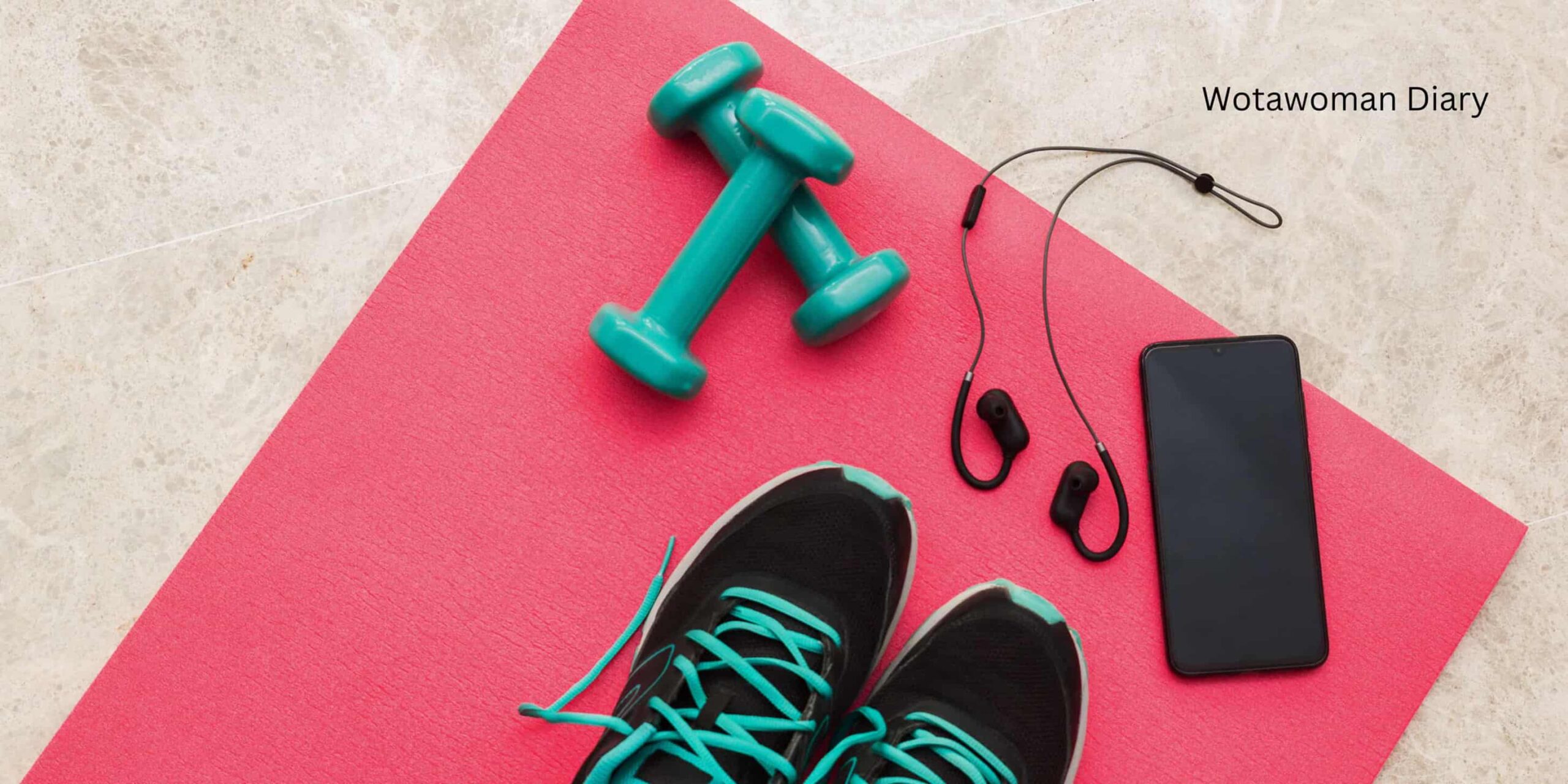
One of the most effective ways to stay active is by selecting activities that you genuinely enjoy. Pick up your pickleball paddles and enjoy the fun and accessible game or organise a competitive game of football between your friends. This will make exercising feel less like a chore and more like something you look forward to doing. Having exercise equipment at home can often make the task of exercising more accessible and enjoyable. You could buy a tower of dumbbells or find a megaformer for sale to really boost your at home gym set-up. Some other options may include:
- Walking or jogging in nature
- Exercise classes
- Participating in team sports
Schedule Workouts Consistently
Consistency is key to staying active. To make exercising a habit, try incorporating it into your daily schedule just like any other important task. Here are some tips to help make this happen:
- Prioritise: Treat your workouts as non-negotiable appointments with yourself.
- Plan ahead: At the beginning of each week, take time to plan out when and where you’ll work out.
- Be flexible: If something unexpected comes up, reschedule rather than skip your workout entirely.
- Find opportunities throughout the day: Look for ways to sneak in extra movement during work hours or while completing household chores.
- Set reminders: Use your phone or calendar to remind you when it’s time for a workout.
By scheduling workouts consistently, you’ll create a routine that becomes second nature and allows you to experience the many health benefits of exercise.
Incorporating regular exercise into your daily routine may seem daunting at first, but by setting realistic goals, choosing enjoyable activities, and scheduling workouts consistently, you’ll be well on your way to improving your overall health. For older adults or those with limited mobility, exploring options like the best exercises for seniors while sitting in a chair can be a comfortable and effective starting point.
As you start exercising more frequently, you’ll likely notice an increase in energy levels, improved mood, and a stronger immune system. So why wait? Start making exercise a priority today and enjoy the numerous health benefits that come with it.

Physical Perks of Exercise
Increases Cardiovascular Endurance
One major advantage of engaging in physical activity is the improvement in cardiovascular endurance. When you hit the gym or go for a run, your heart and lungs work harder to supply oxygen-rich blood to your muscles. Over time, this increased demand helps strengthen your heart and improve its efficiency.
So, what does this mean for you? Well, a stronger heart can:
- Pump more blood with each beat
- Lower resting heart rate
- Improve circulation
- Reduce the risk of heart disease and stroke
Enhances Flexibility and Balance
Another great reason to exercise is that it can help improve flexibility and balance. These two components are essential for overall fitness and preventing injuries. By incorporating stretching exercises into your routine, you can increase your range of motion and reduce muscle stiffness. Some examples of activities that promote flexibility include:
- Yoga
- Pilates
- Tai chi
- Dance classes
As for balance, it’s crucial for everyday activities like walking or climbing stairs without losing stability. Plus, better balance means fewer falls – especially important as we age! To enhance your balance skills, consider trying exercises such as:
- Single-leg stands
- Heel-to-toe walks
- Balance boards or discs

Reduces Risk of Injury
Physical inactivity might seem like the safer option, but regular exercise actually reduces the risk of getting hurt. How does this work? Well, there are several ways:
- Stronger muscles: As you engage in physical activity, your muscles become stronger and more resistant to injury.
- Better joint health: Exercise helps maintain healthy cartilage by increasing circulation around joints.
- Improved posture: Regular workouts can correct muscle imbalances that contribute to poor posture and related discomfort.
- Increased bone density: Weight-bearing exercises, such as walking or lifting weights, can slow down age-related bone loss and reduce the risk of fractures.
Remember, any form of physical activity is better than none – so try different activities until you find something you enjoy. And don’t forget: consistency is key.
Mental Health Advantages
Alleviates Stress and Anxiety
Exercise is a powerful tool to combat stress and anxiety. When we engage in physical activity, our bodies produce endorphins – the “feel-good” chemicals that help us feel happier and more relaxed. These endorphins can counteract the negative effects of stress hormones.
Regular exercise has been shown to:
- Reduce overall levels of tension
- Elevate mood
- Improve sleep quality
- Boost self-confidence
By incorporating exercise into your daily routine, you can experience significant improvements in your mental health and overall well-being.

Mood Booster through Endorphins
As mentioned earlier, endorphins play a crucial role in improving our mood. These natural mood elevators are released during exercise, helping us feel happier and more positive.
Some ways that exercise boosts mood include:
- Increasing endorphin production
- Reducing inflammation in the brain
- Stimulating the growth of new brain cells
- Improving neural connections related to mood regulation
So next time you’re feeling down or overwhelmed by life’s challenges, consider hitting the gym or going for a jog – it might just give you the boost you need!
Promotes Better Sleep Quality
Poor sleep quality is a common issue among individuals struggling with mental health conditions like depression and anxiety. Exercise can help improve sleep by promoting relaxation and reducing stress levels.
Here’s how exercise contributes to better sleep:
- Helps regulate circadian rhythms: Our bodies have an internal clock that tells us when it’s time to wake up or go to bed. Exercise helps keep this clock running smoothly by exposing us to natural light during outdoor activities.
- Increases body temperature: A temporary increase in body temperature during exercise can promote relaxation and help us fall asleep faster once our body cools down.
- Reduces stress and anxiety: As mentioned earlier, exercise helps alleviate stress and anxiety, which can be significant contributors to sleep disturbances.
To experience the sleep-promoting benefits of exercise, aim for at least 30 minutes of moderate-intensity aerobic activity most days of the week. Keep in mind that exercising too close to bedtime might make it harder to fall asleep, so try to finish your workout at least a few hours before hitting the sack.
Weight Management
Burns Calories Effectively
Regular exercise can help burn calories effectively, which is essential for weight loss. The more intense the workout, the more calories you’ll burn. For example:
- Walking or jogging can burn around 300-400 calories per hour
- Swimming can burn up to 600 calories per hour
- High-intensity interval training (HIIT) can burn up to 1000 calories per hour
By incorporating various types of exercises into your routine, you can maximise calorie burning and achieve your weight loss goals faster.
Raises Metabolism Rate
Exercise not only burns calories during the activity but also raises your metabolism rate for hours afterwards. This phenomenon, known as excess post-exercise oxygen consumption (EPOC), means that your body continues to use energy even after you’ve finished working out. Several factors influence EPOC, such as:
- Intensity: High-intensity workouts lead to a higher EPOC effect.
- Duration: Longer workouts may result in a more extended period of increased metabolism.
- Fitness level: People who are fitter tend to have a higher EPOC effect.
By including high-intensity workouts in your fitness plan, you can boost your metabolism and increase overall calorie burning throughout the day.
Stronger Muscles and Bones
Builds Muscle Mass
Regular exercise is essential for building and maintaining strong muscles. As you work your muscles through various activities, they experience small tears that stimulate the growth of new muscle fibres. This leads to an increase in muscle mass over time. Some examples of exercises that help build muscle mass include:
- Weightlifting
- Bodyweight exercises (e.g., push-ups, pull-ups)
- Resistance band training
- High-intensity interval training (HIIT)
Not only does increased muscle mass improve your overall physical strength and appearance, but it also has several other benefits such as:
- Increased metabolism: More muscle means a higher resting metabolic rate, which helps your body burn calories more efficiently.
- Improved blood sugar control: Muscles use glucose from the bloodstream for energy during exercise, helping regulate blood sugar levels.
Strengthens Bone Density
Exercise is crucial for maintaining healthy bones throughout life. It stimulates bone-forming cells called osteoblasts to produce new bone tissue while reducing the activity of bone-resorbing cells called osteoclasts. This balance between bone formation and resorption helps maintain or even increase bone density.
Weight-bearing exercises are particularly effective at strengthening bones because they force your body to work against gravity. Examples of weight-bearing activities include:
- Walking or jogging
- Skipping
- Dancing
- Tennis or other racket sports
In addition to these activities, resistance training can also help improve bone density by placing stress on the bones through muscular contractions.
Reduces Age-Related Decline
As we age, our muscles and bones naturally weaken due to a gradual loss of muscle mass and decreased bone density. However, engaging in regular exercise can promote healthy aging after fifty, slow down this decline, and help maintain strength and mobility into older age.
Studies have shown that older adults who participate in regular physical activity have a lower risk of age-related conditions such as osteoporosis, sarcopenia (loss of muscle mass), and falls. Including daily exercise into your routine is important, and older adults may find that the benefits of low impact exercise can be various, such as strengthening muscles and improving flexibility. These exercises can be gentle on the joints, reducing the risk of injuries and making them an excellent choice for seniors aiming to maintain their fitness levels and overall well-being. By incorporating exercise into your daily routine, you can enjoy the following benefits:
- Improved balance and coordination: Stronger muscles and bones help maintain stability, reducing the risk of falls and injuries.
- Increased independence: Maintaining physical strength allows older adults to continue performing daily activities without assistance.
- Enhanced quality of life: Exercise has been shown to improve mood, cognitive function, and overall well-being in older adults.
Boosted Cognitive Performance
Improves Memory Function
Regular exercise has a significant impact on the brain. Studies have shown that engaging in physical activity can increase the production of endorphins. These endorphins can help improve sleep quality and reduce stress, both of which contribute to better memory retention.
Exercise promotes blood flow to the brain, allowing for more oxygen and nutrients to reach brain cells. You can further improve the oxygenated blood flow to your brain and muscles by using equipment such as a pemf mat in order to stimulate the oxygenation of blood. This increased blood flow helps combat oxidative stress, which is known to damage neurons and impair memory function.
Some examples of exercises that can boost memory include:
- Aerobic exercises like running, swimming, or cycling
- Strength training with weights or resistance bands
- Yoga or Pilates for flexibility and balance
Sharpens Focus and Concentration
Another major health benefit of exercise is its ability to sharpen focus and concentration. When you engage in physical activity, your energy levels rise, making you feel more alert and awake. This heightened state of awareness allows your mind to process information more efficiently, leading to improved cognitive performance.
Exercise also triggers the release of certain neurotransmitters like dopamine and serotonin, which play a crucial role in regulating mood and promoting feelings of reward. As a result, regular exercise can lead to increased self-esteem and an overall sense of well-being.
To enhance focus and concentration through exercise, consider incorporating activities such as:
- High-intensity interval training (HIIT) workouts
- Mindful movement practices like Tai Chi or Yoga
- Activities that require coordination like dancing or martial arts
Delays Cognitive Decline
As we age, it’s natural for our cognitive abilities to decline gradually. However, research has shown that regular exercise can help delay this process by maintaining healthy brain function throughout life.
Exercise has also been linked to reduced symptoms of anxiety and depression, which can further contribute to improved mental health in older adults.
To reap the rewards of exercise for delaying cognitive decline, consider incorporating a mix of aerobic, strength training, and balance exercises into your routine. Some options include:
- Walking or jogging for cardiovascular fitness
- Resistance training with weights
- Bodyweight exercises
Embrace An Active Lifestyle
Incorporating regular exercise into your daily routine offers numerous health benefits. These include physical perks such as improved cardiovascular health and reduced risk of chronic diseases. Exercise also provides mental health advantages by reducing stress, anxiety, and depression while promoting a positive mood.
Weight management becomes easier with an active lifestyle, as exercise helps in burning calories and maintaining a healthy weight. Stronger muscles and bones are developed through consistent physical activity, decreasing the risk of osteoporosis and injuries.
Boosted cognitive performance is another advantage of exercising regularly. It enhances memory, concentration, and overall brain function.
It’s time to take action! Start enjoying the health benefits of exercise today by incorporating it into your daily life. Your body and mind will thank you for it!
FAQ
1. How much exercise should I do per week?
Aim for at least 150 minutes of moderate-intensity aerobic activity or 75 minutes of vigorous-intensity aerobic activity per week. You can also combine both types of activities for optimal results.
2. Can I break up my exercise sessions throughout the day?
Yes! Breaking up your exercise sessions into shorter periods (such as three 10-minute sessions) can be just as effective as one long session.
3. What types of exercises should I include in my routine?
Include a mix of cardio (such as walking or swimming), strength training (using weights or resistance bands), flexibility exercises (like yoga or stretching), and balance exercises (such as tai chi) for a well-rounded fitness program.
4. Is it safe to start exercising if I have a medical condition?
Always consult with your healthcare provider before starting any new exercise program if you have a medical condition or concerns about your health. They can help you determine the appropriate level of activity and offer guidance on modifications if needed.
5. How do I stay motivated to exercise regularly?
Set realistic goals, find activities you enjoy, vary your routine to prevent boredom, and consider enlisting a workout buddy for support and accountability. Tracking your progress and celebrating milestones can also help keep you motivated.
6. Can exercise help improve my sleep quality?
Yes! Regular physical activity can promote better sleep by helping you fall asleep faster, stay asleep longer, and achieve deeper, more restorative rest.
7. Is it necessary to join a gym or buy expensive equipment to get started with exercise?
Not at all! There are plenty of low-cost or free options for getting active, such as walking or jogging outdoors, using bodyweight exercises for strength training, or following online fitness classes at home.
The comprehensive list of health benefits of exercise should give you the motivation to ditch those bad habits and live a healthier lifestyle.
Leave a Reply