Health is wealth—an eternal saying that holds even today. Due to today’s hustle and bustle, warning signs for health problems may need to be addressed. Proactive health care can be the difference between living and merely existing. Proactive health is not about reacting to health problems but instead about preventing them, recognizing certain other symptoms before they become serious, and having regular health check-ups.
Understanding Proactive Health
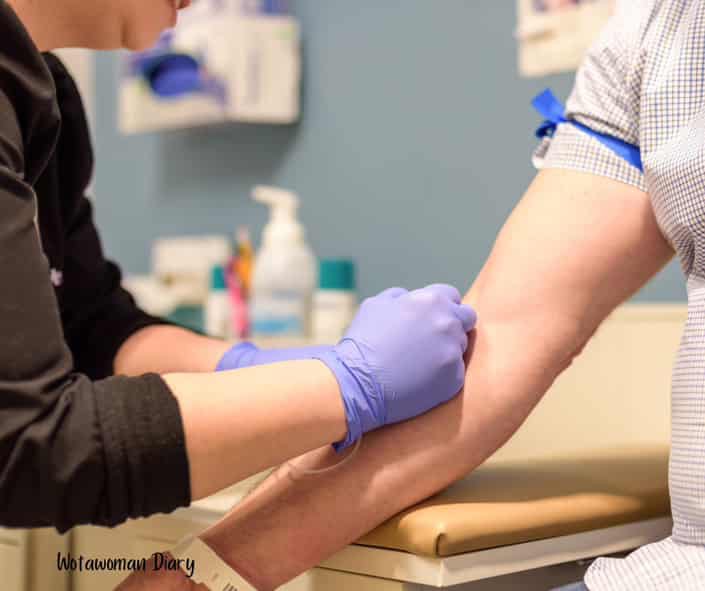
Proactive medicine focuses on prevention rather than cure. Rather than waiting for illness to evolve, preventative medicine detects hazards and intervenes well to avoid detrimental repercussions. This is about listening to your body, understanding what is normal for you and how it differs, and seeing a doctor at the first signs of trouble.
The longer you allow specific problems to go unaddressed, the more difficult they will be to treat when they do show up. Additionally, on an optimistic note, living life with an emphasis on being proactive will not only enhance the quality of life but also limit medical costs, eliminate invasive procedures, and prolong life.
Recognising Early Signs of Health Issues
Many of the most severe conditions, such as heart disease, diabetes, or cancer are preceded by subtle symptoms frequently ignored or brushed aside. Some general signs to look out for include:
Unexplained Weight Changes
- What it may indicate: Unnoticed weight loss points toward possible thyroid disorders, diabetes, and cancer, while credible gain could be hormonal-related or simply fluid retention due to organ dysfunction.
- What you should do: Track your weight, specifically two times a week; if there are major changes, visit your doctor, especially when no consideration of diet or activity change can explain the changes.
Constant Fatigue
- What it may indicate: Chronic fatigue may signal anemia, sleep disorders, depression, or even heart disease.
- What you should do: Make sure you’re getting enough sleep and eating a balanced diet, but if you are still fatigued, have a complete check-up.
Skin Changes
- What it could indicate: Moles that change shape, size, or colour might signify skin cancer. Dry, itchy patches could denote eczema or psoriasis.
- Actions to take: Conduct self-checks on your skin and call a dermatologist if you notice anything unusual.
Problems of Digestion
- What it could indicate: The symptoms of constant bloating, abdominal pain, or change in bowel habits are never optimal, recommended as food allergies, irritable bowel syndrome, and even more worrying, possible colorectal cancer.
- Actions to take: Keep a food diary and consult a doctor when symptoms become consistent or escalate.
The Power of Routine Screenings
Preventive health screenings are crucial in the fight against the diseases. They help identify health problems in their initial stage, sometimes before symptoms manifest.
Annual medical examinations
An annual check-up allows the doctor to assess a patient’s overall health and look for signs of disease. Blood pressure, cholesterol levels, and body mass index (BMI) are among the initial tests conducted.
- Cancer screenings
- Breast Cancer: All women above 40 should consider annual or biennial mammograms.
- Cervical Cancer: All women aged 21 to 65 should be offered Pap smears and HPV testing.
- Colon Cancer: All individuals should have a screening schedule of colonoscopy or stool tests starting from age 45 unless there is a family history.
- Testing for diabetes
Type 2 diabetes screening can stop the complications of diabetes, which are diabetic kidney disease and diabetic neuropathy. It is regularly recommended for persons over the age of 35 or those having risk factors such as obesity or family history.
Hearing and Vision checkups
Eye tests are necessary for early indications of glaucoma or cataracts; hearing tests help detect early signs of hearing loss.
Cardiac health investigations
These tests include electrocardiograms (ECGs) and stress tests that aid in understanding heart performance and risk for cardiovascular diseases.
Lifestyle Choices That Complement Routine Screenings
Proactive health means following a healthy lifestyle. Though routine screening is essential, a healthy lifestyle is the basis of all health.
Balanced Nutrition
- The meal plan should be rich in whole foods, such as fruits, vegetables, lean protein, and whole grains.
- Limit processed food and sugar and cut back on trans fat.
- Hydrate yourself to ensure that all the systems in the body function optimally.
Regular Exercise
Engage in moderate-intensity aerobic activity for 150 minutes each week. In addition, strength training should be done twice weekly to exercise muscles and maintain bone health.
Mental Health Care
Mindfulness and meditation can reduce stress. When you feel like you can no longer cope, seek the help of a trained therapist or counsellor.
Adequate Sleep
Adults should get 7-9 hours of sleep each night. A bad night’s sleep can lead to other serious health issues, ranging from lowered immunity to heart troubles.
Avoiding Bad Habits
Quitting smoking and moderating my drinking habits. It is employing activities that minimise exposure to pollutants and toxins.
The Role of Adaptive Clothing in Proactive Health
Given chronic illness or disability skills, adaptive clothing offers comfort and wellness. It is designed with the functionality of magnetic closures, Velcro, and flexible materials, abiding by each individual’s needs.
Importance of Adaptive Clothing
Ease of Dressing: Lessens the effort of dressing for someone with limited mobility or dexterity.
Improvement in Comfort: Reduces irritation due to sensitive skin or medical devices such as catheters.
Gaining Independence: Allows individuals themselves to support independence and dignity.
Adaptive clothing is introduced into daily life to help people really focus on their health and comfort. It makes it easier on the wearer without traditional clothing dilemmas weighing them down.
Technology and Proactive Health
Technological advancements have made it easier to take control of your health. From wearable devices to telemedicine, here’s how technology can support proactive health management:
Wearables: Smartwatches and fitness trackers help people monitor their vital signs, levels of activity, and sleep patterns in real-time.
Apps: Health apps can serve as reminders to take medications, to track symptoms, or to schedule doctor appointments.
Telemedicine Services: Virtual consultations enable remote access to many health professionals for those living in hard-to-reach areas.
Creating Your Health Roadmap
Being proactive with one’s health takes some commitment and planning. Here’s what you should do to create a sustainable routine for health:
- Health Assessment: Understand the family history of sicknesses and personal contributing factors.
- Set Goals: Focus on realistic health goals worth targeting, such as weight loss, reduced stress levels, and smoking cessation.
- Create a Support Network: Enlist the help of family and friends to achieve success in a healthy lifestyle.
- Tracking: Keep count, monitor your health metrics, and celebrate, even if it is a tiny milestone.
The Benefits of Staying Ahead
The virtues of a proactive health regime are:
Early detection: Catching a disease while it is still in its infancy increases the scope of treatment.
Cost savings: Preventative care costs far less than curing advanced diseases.
Better quality of life: Being healthy naturally helps you enjoy the fullness of life.
Mental health: Knowing you are doing something good for your health helps dissipate every thought of anxiety.
Conclusion
Proactive health means you are empowered to know your health to mitigate the disabled life due to ill health. You could spot early signs, get into regular screenings, and develop general habits in combination with your active lifestyle choices or adaptive clothing where required; it is always a jump start to help keep you on top of any probable health challenge that may come your way. Your health is a lifelong investment.
Every effort you put in today not only saves you many tomorrows but also enables you to enjoy every moment. Take the step of being healthy proactively—now, not later, is the time to do something for yourself and your loved ones.
Leave a Reply