Our eyes are among our most precious organs, allowing us to experience the world around us in vibrant detail. Despite their importance, eye health is often overlooked in daily routines, with many people unaware of the best ways to keep their eyes healthy. Understanding the basics of eye health, common eye conditions, and preventive care can go a long way in preserving vision throughout one’s life.
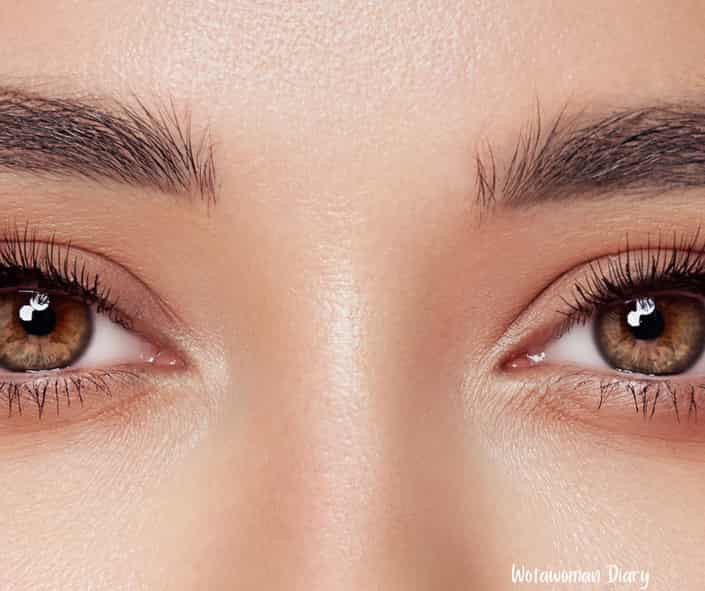
Your eye colour is something that is inherited, with genes of distant relatives as well as your biological parents. Eye conditions are also inherited and you can take some preventative and precautionary steps to preserve your eye health.
This guide will provide insights into the essential practices for maintaining eye health and the importance of proper eye care.
The Ultimate Guide to Eye Health
Why Eye Health Matters
Eye health is critical because our vision is involved in nearly every activity we undertake, from reading and driving to recognising loved ones’ faces. However, today’s modern lifestyle has introduced several new challenges for our eyes and stops many from having healthy eyes. Challenges include extended screen time, exposure to blue light from digital devices, and insufficient outdoor activity. Without taking steps to protect our eyes, we may become more vulnerable to eye strain, infections, and chronic conditions like glaucoma, macular degeneration, and cataracts. Fortunately, many eye health problems can be prevented or managed with good habits and regular eye exams.
Common Eye Health Concerns
Refractive Errors
One of the most common eye health concerns is refractive errors, which occur when the shape of the eye prevents light from focusing directly on the retina. The most prevalent refractive errors include myopia (nearsightedness), where it is difficult to see distant objects clearly; hyperopia (farsightedness), where focusing on close objects becomes challenging; and astigmatism, which causes blurred vision due to an irregularly shaped cornea or lens. Presbyopia, another common condition, is an age-related loss of near vision that typically becomes noticeable around the age of 40. Refractive errors are commonly corrected with eyeglasses, contact lenses, or, in some cases, with surgical procedures such as LASIK. You can understand how it works by learning how such procedures reshape the cornea to change the way light enters the eye, allowing it to focus more accurately on the retina for clearer vision.
Eye Strain
Digital eye strain, also known as computer vision syndrome, is increasingly common among people who spend hours in front of screens. This can lead to symptoms such as headaches, dry eyes, blurred vision, and neck and shoulder pain.
Dry Eyes
Dry eye syndrome, another frequent complaint, is characterized by a lack of adequate lubrication in the eyes. This condition can result from environmental factors, extended screen time, contact lens use, and certain medical conditions, leading to symptoms like itching, burning, and a gritty feeling in the eyes.
Age-Related Macular Degeneration (AMD)
Age-related macular degeneration, or AMD, is a leading cause of vision loss in older adults. This condition damages the macula, the part of the eye responsible for sharp, central vision, making it difficult to perform tasks like reading, driving, and recognizing faces.
Glaucoma
Glaucoma is another serious condition that occurs when pressure builds up within the eye, damaging the optic nerve. If left untreated, glaucoma can lead to irreversible blindness. Routine eye exams are crucial for early detection of glaucoma, as it often present no symptoms until significant vision loss has occurred. Early diagnosis is often the key to treating glaucoma effectively, as timely intervention can help preserve vision and prevent further damage.
Cataracts
Cataracts, characterized by the clouding of the eye’s natural lens, are common with ageing and can cause blurry vision, faded colours, and sensitivity to glare. Cataract surgery is generally effective at restoring lost vision.
Essential Eye Care Tips

Eat a Nutrient-Rich Diet
One essential way to maintain eye health is through a nutrient-rich diet. Certain vitamins and minerals are particularly beneficial for the eyes. Vitamin A, for instance, is crucial for night vision and overall eye health and is found in foods like carrots, sweet potatoes, and leafy greens. Lutein and zeaxanthin, two powerful antioxidants that protect against AMD, are found in foods like spinach, kale, and eggs. Omega-3 fatty acids, which reduce dry eye symptoms and inflammation, can be obtained from fatty fish like salmon and flaxseeds.
Vitamins C and E are also important for eye health due to their antioxidant properties, which help protect eye tissues from damage; these can be found in oranges, berries, nuts, and seeds. Eating a balanced diet rich in these nutrients supports long-term eye health and may slow the progression of some eye conditions.
Practice the 20-20-20 Rule
Another beneficial practice for eye health is the 20-20-20 rule, especially for those who spend prolonged periods looking at screens. According to this rule, every 20 minutes, individuals should look at something 20 feet away for at least 20 seconds. This helps to reduce eye strain and allows the eyes to refocus, preventing fatigue.
Protect Your Eyes from UV Rays
Protecting eyes from UV rays is also important, as UV rays from the sun can contribute to conditions like cataracts and AMD. It is advisable to wear sunglasses that block 100% of UVA and UVB rays whenever outdoors and to consider wearing a hat with a brim for added protection.
Limit Screen Time and Adjust Settings
In addition to limiting screen time, adjusting device settings can also help reduce eye strain. Reducing screen brightness, increasing text size, and using blue light filters, especially in the evening, can lessen the impact of screens on eye health.
Stay Hydrated
Staying hydrated is another crucial part of eye care, as proper hydration supports tear production and eye moisture. Drinking at least eight cups of water daily is recommended, and those who spend time in dry environments may benefit from using a humidifier. People who experience dry eyes might consider using over-the-counter artificial tears to alleviate symptoms. For contact lens wearers, it is essential to use eye drops specifically designed for contact lenses.
Eye Care at Different Life Stages
Eye care needs vary across different life stages. Children should have their first eye exam by age one, with follow-ups at age three and again before starting school. Regular exams can detect issues like lazy eye (amblyopia) and strabismus (crossed eyes) early.
For children, limiting screen time and encouraging outdoor play is important, as exposure to natural light is beneficial for healthy eye development. For adults aged 20 to 40, it is recommended to get an eye exam every two years, even if there are no symptoms of vision issues. Eye exams can help detect conditions such as glaucoma or diabetes-related eye complications early. Adults should also wear protective eyewear during activities that could pose an eye injury risk, such as sports or construction work.
For those in their 40s and 50s, presbyopia becomes more common, and regular eye exams are important to catch age-related conditions like cataracts, glaucoma, and macular degeneration in their early stages. In some cases, medical eye patches for adults may be recommended as part of treatment or recovery after eye surgery, injury, or to manage certain vision conditions.
People over the age of 60 should have annual eye exams, as age-related eye diseases become more prevalent. Early detection and treatment of these conditions are critical to maintaining quality vision.
Red Flags for Eye Health: When to See a Doctor
It is also essential to know when to seek immediate medical attention for eye issues. Sudden changes in vision, such as blurriness, dark spots, halos, or double vision, should not be ignored, nor should frequent headaches or symptoms like eye pain, redness, or discharge. Flashes of light or an increase in floaters could indicate serious issues such as retinal detachment, glaucoma, or infections, all of which need prompt treatment to prevent permanent damage.
The Role of Regular Eye Exams
Routine eye exams are a cornerstone of eye health. During a comprehensive eye exam, an eye doctor will check for refractive errors and update prescriptions if necessary. They will also examine the structures of the eye, including the retina and optic nerve, measure intraocular pressure to screen for glaucoma and assess eye movement, coordination, and alignment. For adults under 40, an eye exam every two years is typically recommended, while those over 60 should aim for annual exams.
Protecting Your Vision for Life
Protecting your vision is an investment in a lifetime of clarity and independence. By prioritizing habits like a balanced diet, taking regular breaks from screens, and safeguarding your eyes from UV rays, you’re actively working to preserve your eyesight. Alongside regular eye exams, these lifestyle choices contribute to maintaining good vision and enjoying a world of vivid sights for years to come. Vision is one of life’s greatest gifts and this guide to eye health will help you give your eyes the care and attention they deserve.
Leave a Reply