In recent years, electric vehicles have captured the imagination of both consumers and policymakers alike. They are promising a cleaner and greener future for the automotive industry. As the world grapples with the challenges of climate change and seeks to reduce its carbon footprint, electric cars have emerged as a viable alternative to their gasoline-powered counterparts. There are a number of pros and cons of electric cars and we will go through them here.
This article delves into the advantages and disadvantages of electric vehicles, exploring how they can shape the future of sustainable mobility.
Pros and Cons of Electric Cars
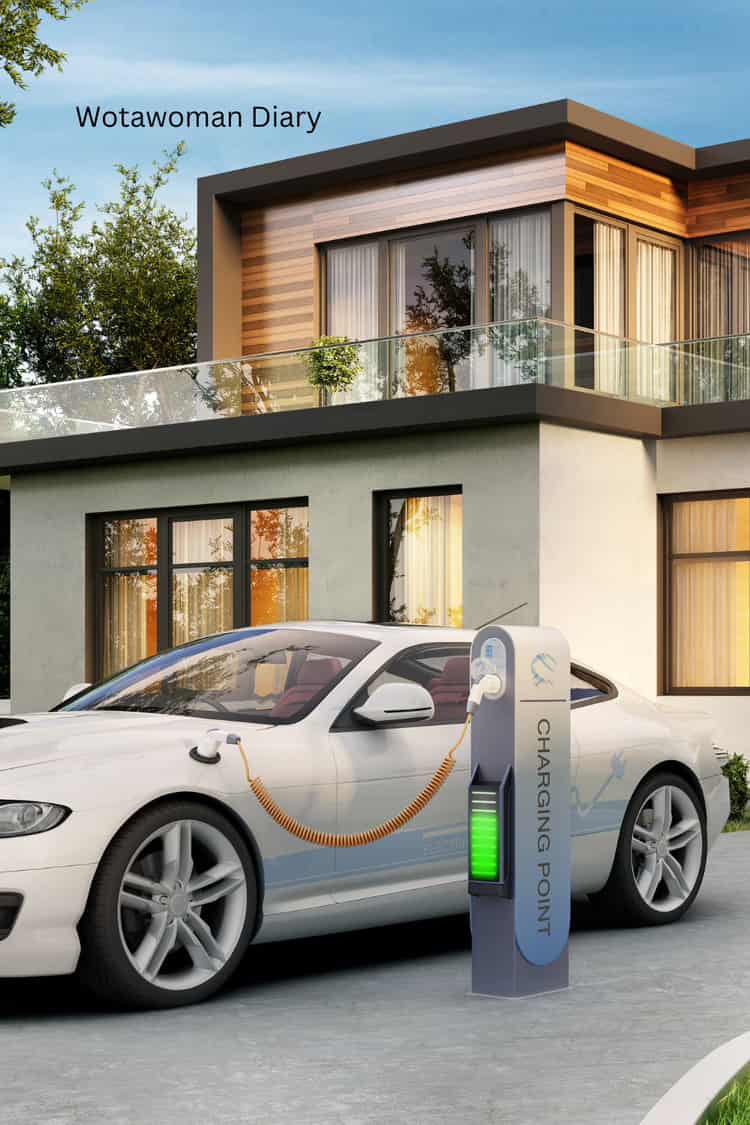
Every electric car needs to be charged, and charging points are being installed in cities worldwide. Having a charging point installed on your property will soon be a common part of the average household. They come with a variable price tag depending on the installer, but by researching different installers, like those on https://evchargerinstallation.
Advantages of Electric Cars
Environmental Benefits
Electric cars are hailed as a more eco-friendly alternative to conventional gasoline-powered vehicles.
By running on electricity, they produce zero tailpipe emissions, reducing greenhouse gas emissions and improving air quality. As the global electricity grid increasingly incorporates renewable energy sources, the overall environmental impact of electric cars is set to decrease even further.
Plus, now with charging stations being made available to residents, not just commercially, it reduces the need to go to gas stations. There are a number of suppliers of EV equipment, but it is essential that you go for the number one EV charging supply equipment supplier in your area, so that you are happy with the outcome.
Lower Operating Costs
Electric vehicles boast significantly lower operating costs compared to internal combustion engine (ICE) cars.
Electricity is generally cheaper than gasoline, and EVs have fewer moving parts, leading to lower maintenance expenses over their lifetime.
Additionally, governments and utilities in many regions offer incentives such as tax credits, reduced registration fees, and discounted electricity rates for EV owners, further enhancing cost-effectiveness.
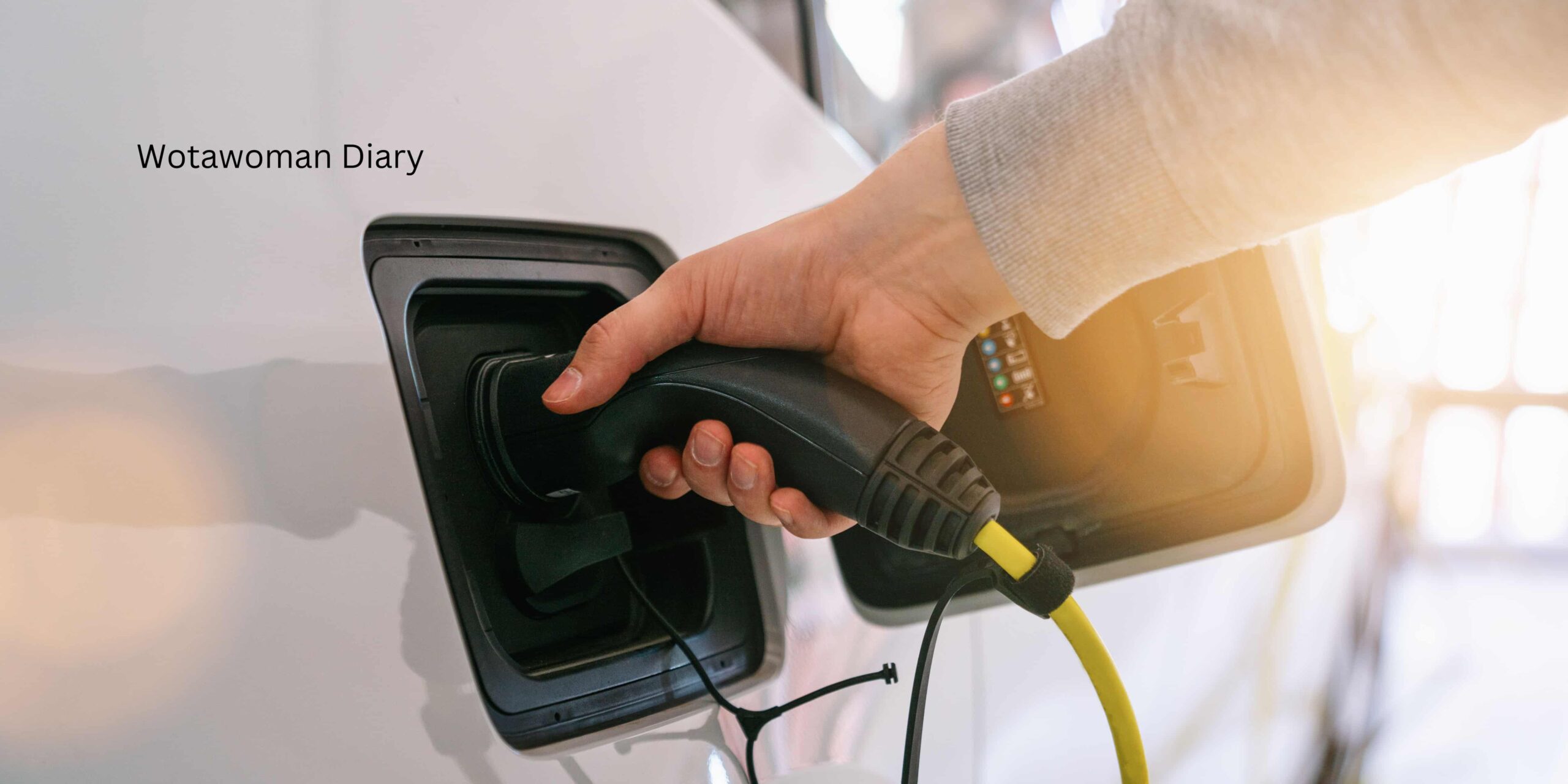
Energy Efficiency
Electric vehicles are inherently more energy-efficient than traditional gasoline cars.
Internal combustion engines waste a substantial amount of energy as heat, whereas electric motors convert a higher percentage of energy from the grid into usable power for the wheels.
This efficiency contributes to extended driving ranges and reduced dependency on fossil fuels.
Quiet and Smooth Operation
One of the notable advantages of electric cars is their near-silent operation.
Electric motors run much quieter than conventional engines, reducing noise pollution in urban areas. Additionally, electric vehicles offer smooth acceleration without gear shifts, providing a more seamless and enjoyable driving experience.
Technological Advancements
The rise of electric vehicles has led to significant advancements in battery technology and energy storage systems.
These developments not only benefit EVs but also have widespread applications in renewable energy storage, helping to enhance overall grid stability and reliability.
Regenerative Braking
Electric vehicles employ regenerative braking technology, which converts the kinetic energy produced during braking into electricity.
This process helps recharge the vehicle’s battery, enhancing overall energy efficiency and extending the driving range. Unlike conventional gasoline cars, where braking dissipates energy as heat.
Regenerative braking in electric cars recycles that energy, making them even more energy-efficient and eco-friendly.
Disadvantages of Electric Cars
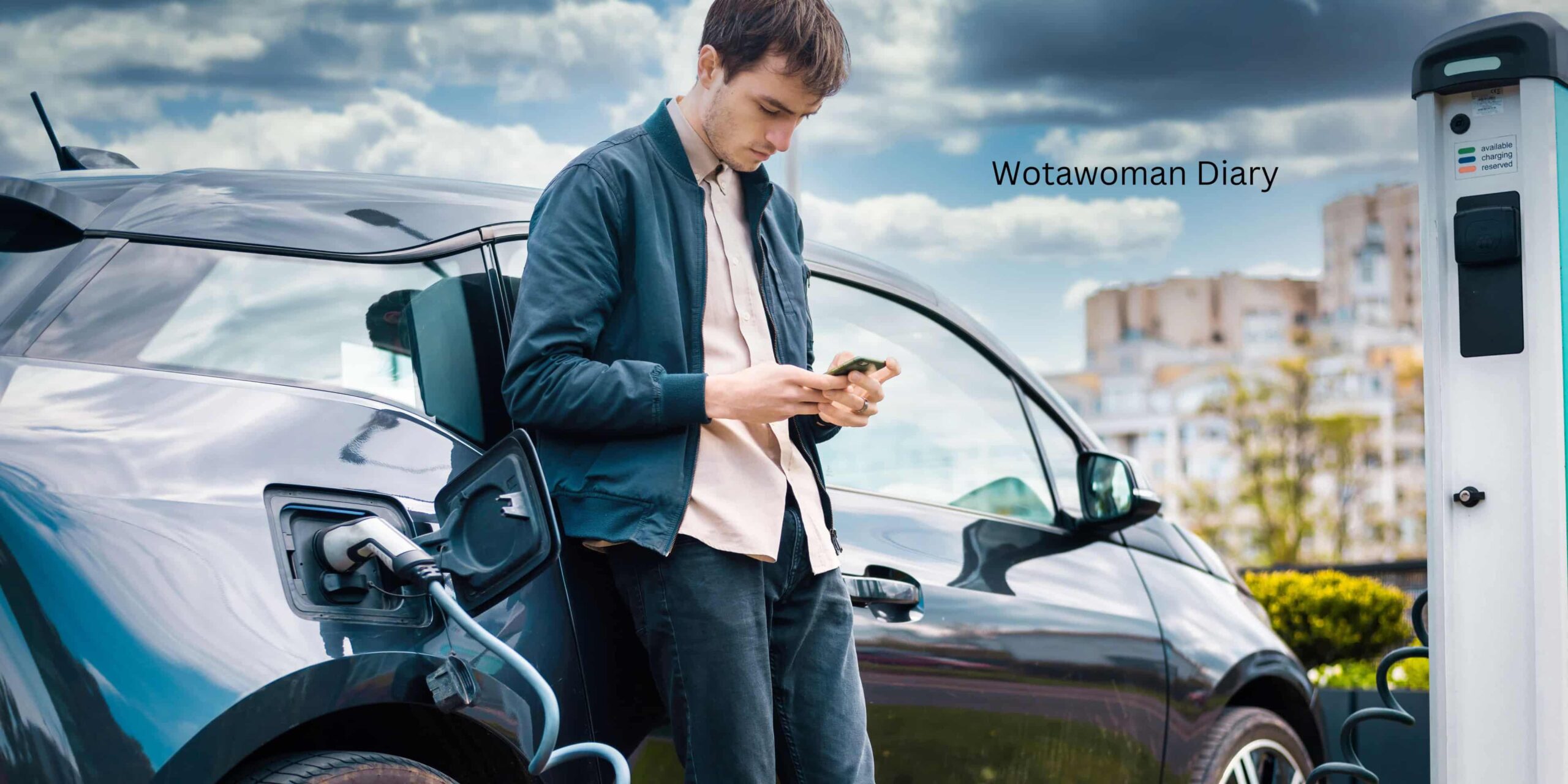
Limited Driving Range
Although electric vehicles have made significant progress in extending their driving ranges, they still suffer from range limitations compared to conventional cars.
Long-distance travel may require careful route planning and access to charging infrastructure, which can be challenging in some regions.
Charging Infrastructure
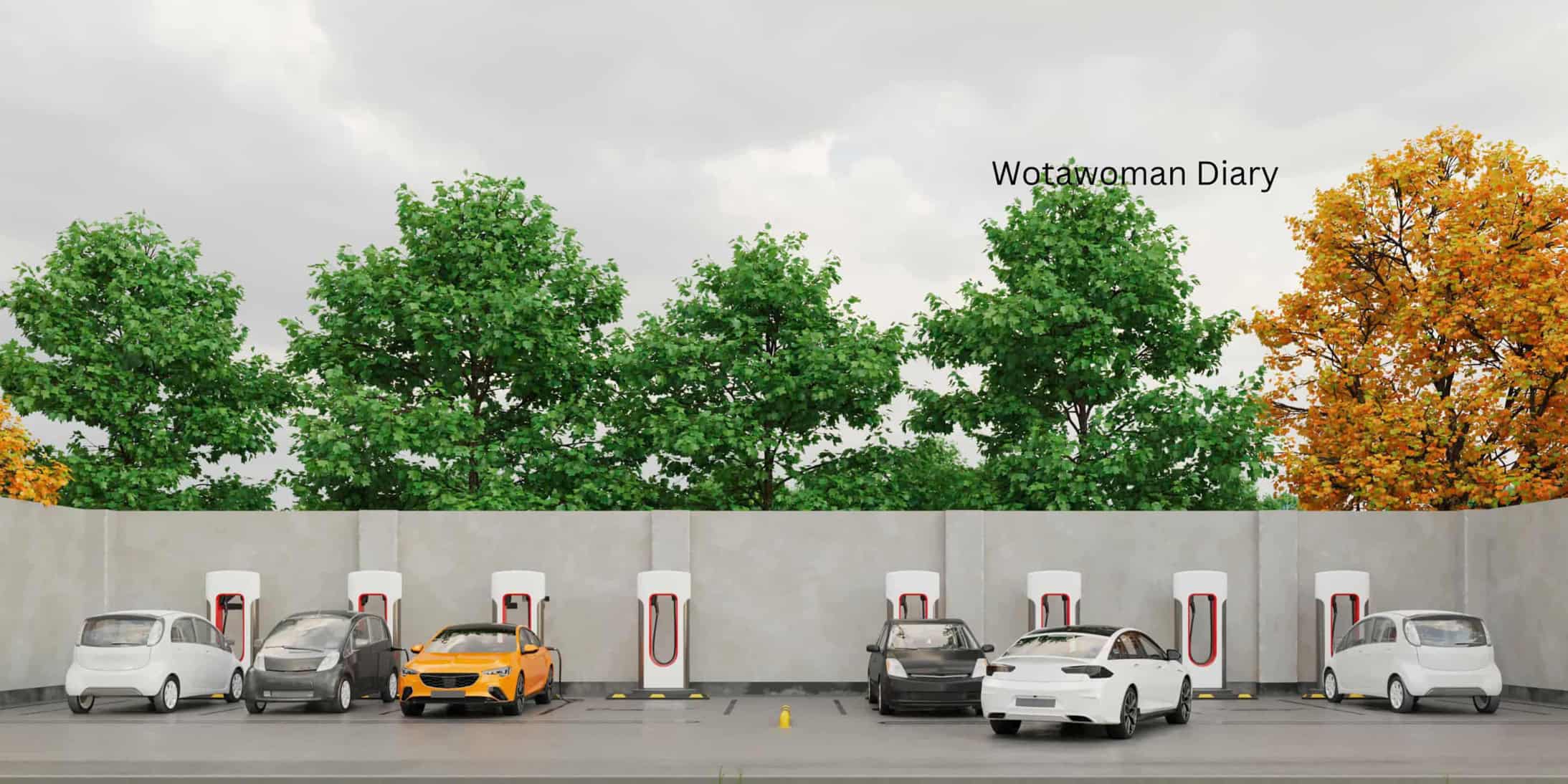
The availability and accessibility of charging stations remain a significant challenge for electric car adoption.
While urban centres often have a growing charging network, rural areas and underdeveloped regions may lack sufficient infrastructure, discouraging potential buyers from opting for EVs.
Charging Time
Charging an electric car is considerably slower than refuelling a gasoline vehicle.
Even with fast-charging stations, it can take anywhere from 30 minutes to several hours to charge an EV, depending on the battery capacity and charging speed.
This can be an inconvenience for some drivers, particularly on long journeys.
Upfront Cost
Electric vehicles tend to have higher upfront costs compared to their gasoline counterparts. This makes them very unobtainable for the majority of road users especially first-time drivers and people with smaller budgets.
Although the price of EVs has been decreasing steadily, the initial investment remains a significant deterrent for some consumers. However, it’s essential to consider the total cost of ownership, which may be lower due to reduced operating and maintenance costs over the vehicle’s lifespan.
Limited Model Variety
While the electric vehicle market has been expanding, the diversity of models offered still lags behind traditional gasoline cars.
Consumers might find limited options in certain vehicle types or sizes, which could limit their choices based on specific needs or preferences.
Range Anxiety
Range anxiety is a psychological concern that some potential electric vehicle buyers may experience. It refers to the fear of running out of battery power while driving, especially in areas with limited charging infrastructure.
Despite improvements in driving ranges, the apprehension of being stranded without access to a charging station can deter consumers from fully embracing electric cars.
As the charging infrastructure continues to expand and battery technology advances, range anxiety is gradually diminishing, but it remains a challenge in certain regions and for some drivers.

After reading the pros and cons of electric cars it presents a promising pathway towards sustainable mobility and reducing our carbon footprint.
The environmental benefits, lower operating costs, and technological advancements make electric cars an appealing choice for eco-conscious consumers. However, challenges related to driving range, charging infrastructure, and upfront costs need to be addressed for widespread EV adoption.
As governments, automotive manufacturers, and technology companies continue to invest in the development of electric vehicles, we can expect these issues to be mitigated over time.
Electric cars represent a critical part of the solution in combatting climate change and transitioning towards a greener and more sustainable transportation future.
You left out a few things where do you think the Electricity is being generated by? Also the environmental aspects is the battery that has a number of environmental impacts due to the chemical and materials being used. And also the parts. Lastly, the cost of maintenance to replace a battery is very high. As noted if you are on a budget a $25,000 bill is not going to go over very well. Then the resell value of an EV drops over 50% after a year and a number of people are going back to ICE. Hydrogen is also a clean source of energy, it can be adapted to current ICE technology, takes 90 seconds to fill up, and does not have any environmental impacts. So why the push for EV’s when there is another much cleaner source to use? In addition, what happens when all those government subsidies stop? Electricity is going up as well thus recharge costs will go up as well. Then the lines at charging stations where it can take 30 minutes to over 3 hours to charge while the car sits there taking up space. What about the Environmental impacts creating large charging stations to handle more cars for 30+ minutes? There are a lot more Cons about EV’s than there are actual Pros.